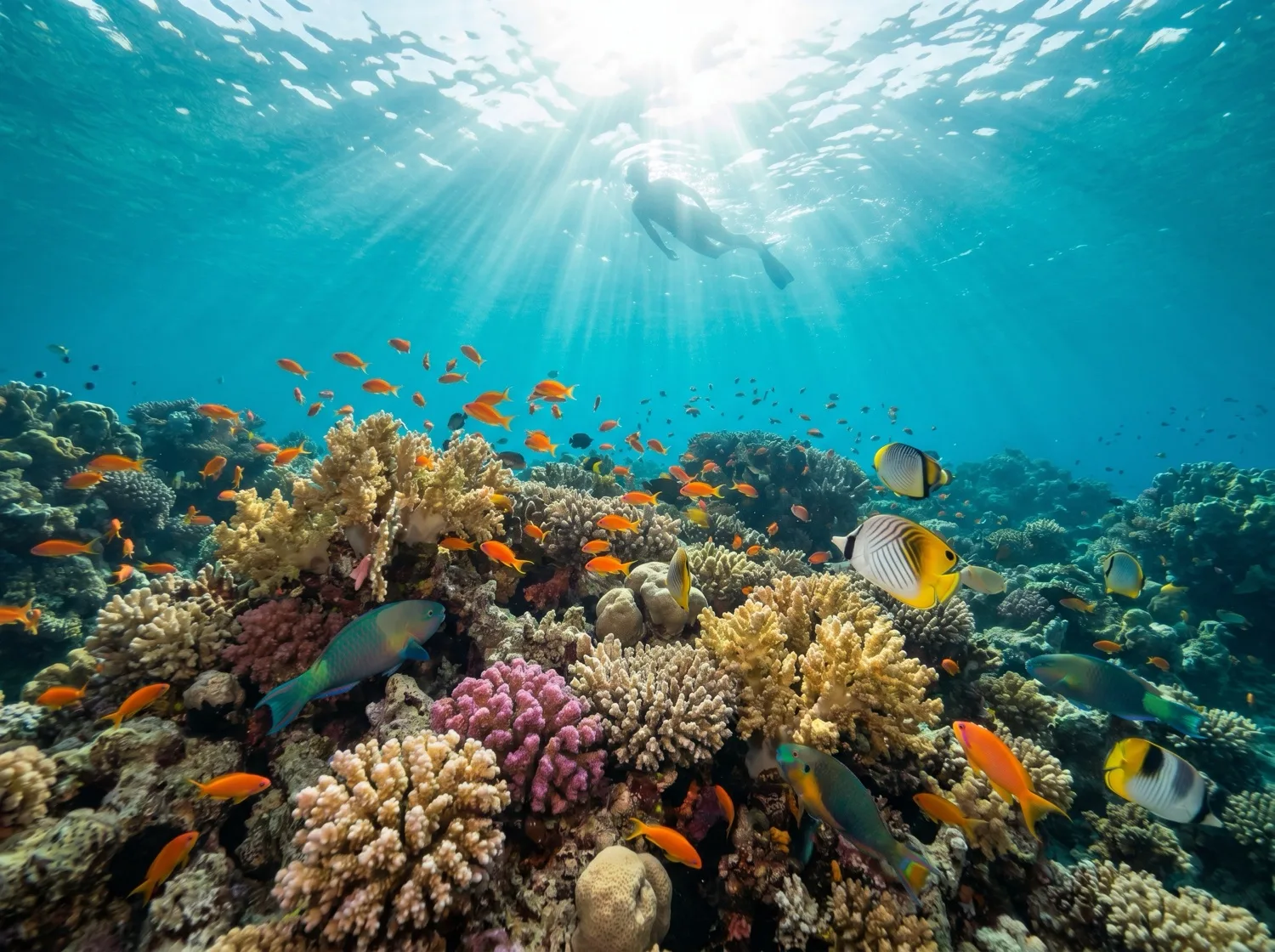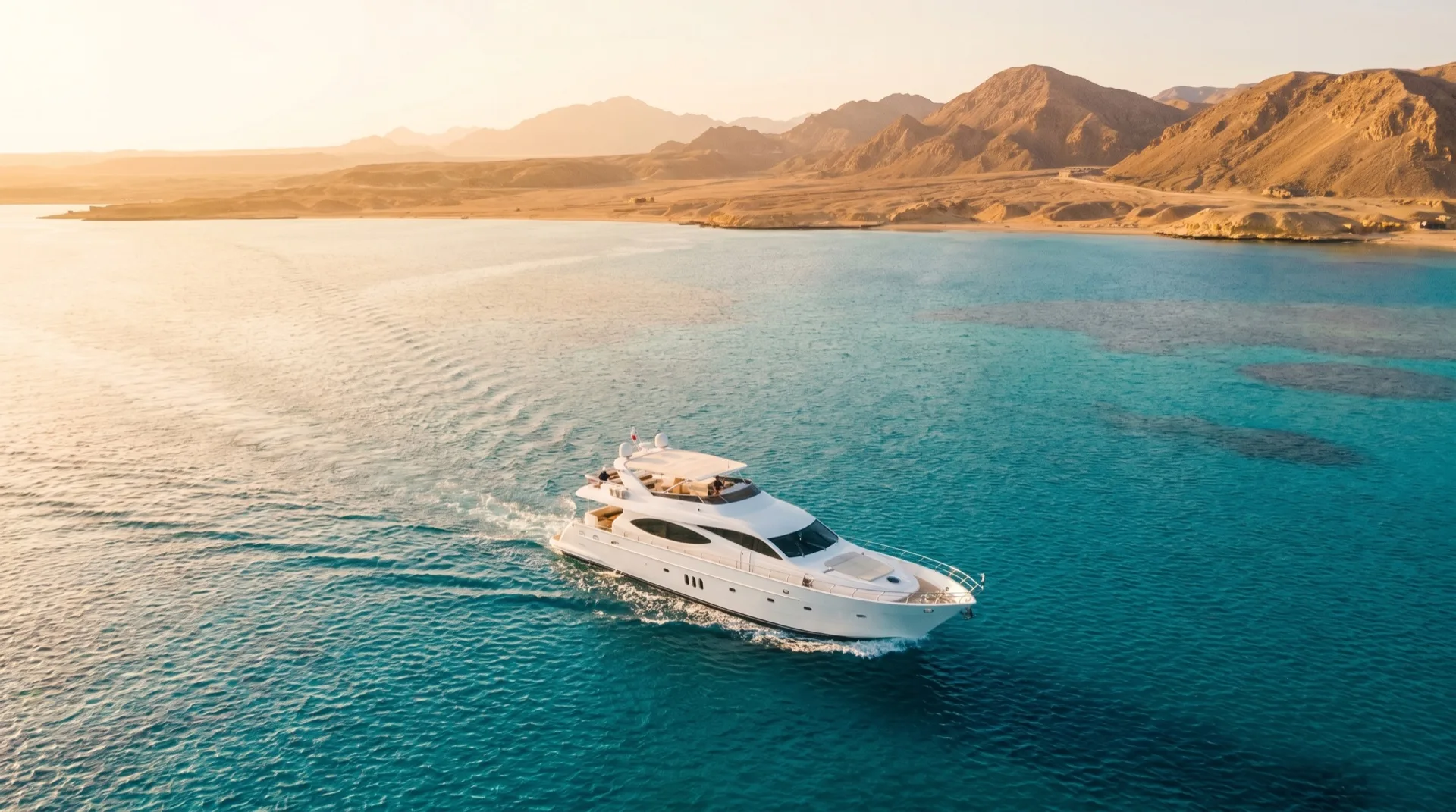
This Hurghada travel guide is the one we wish every guest arrived with: an honest, first-hand map of a Red Sea city that is really two places at once, a wall of resorts along the water and a launch point for some of Egypt's most extraordinary days. In short, Hurghada is where you come for warm, clear sea most of the year, easy access to reefs and island sandbanks, an open desert twenty minutes inland, and day trips to Luxor and Cairo that most visitors do not realise are within reach. Here is how to plan all of it well.
Where Hurghada is, and why people come
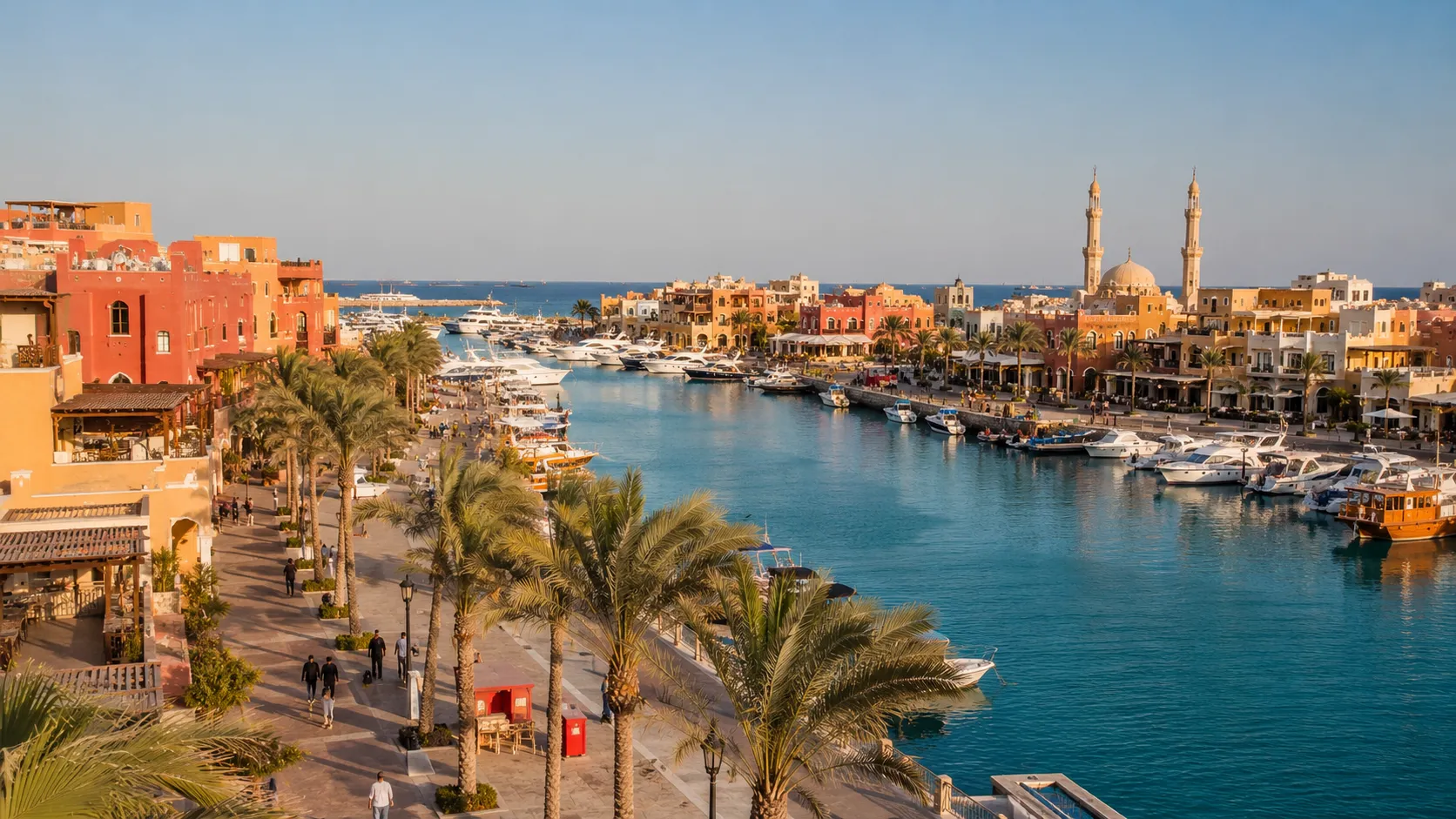
Hurghada sits on Egypt's Red Sea coast, roughly 500 kilometres southeast of Cairo, strung along a low desert shoreline that faces some of the clearest water in the world. For decades it was a small fishing town. Today it runs for more than 30 kilometres, from the older quarter of El Dahar in the north, through the marina and the tourist strip locals call Sekalla, and south past a chain of purpose-built resort bays. The Eastern Desert rises immediately behind it, so you are never far from either the sea or the dunes.
People come for a simple combination that is hard to find anywhere else: reliable sunshine, a sea that is warm and swimmable across most of the year, and a coral reef system that begins a few fins' kicks from shore. Add island days on glowing sandbanks, dolphins in the shallows, Bedouin nights under an unpolluted sky, and the fact that ancient Egypt is a day trip away, and you have a destination that suits a lazy beach week and an ambitious itinerary equally well. Our full guide to the best things to do in Hurghada maps out the highlights in detail.
It helps to arrive with the right expectation. Hurghada is not an ancient town with a historic core to wander; it grew fast, for tourism, and its charm is the sea and the desert rather than the streetscape. Treat the city as a comfortable, well-connected launch pad, spend your energy on the water and the day trips, and you will love it. Come expecting a walkable old city and you may feel it is a little scattered. Once that framing clicks, everything else in this guide falls into place.
Your Hurghada travel guide, at a glance
If you read nothing else, these are the essentials worth fixing in your mind before you book. Everything below is expanded in its own section later in this guide.
- Airport: Hurghada International (HRG), 5 to 10 minutes from most resorts.
- Visa: a single-entry tourist visa is roughly USD 25, arranged online as an e-visa or on arrival.
- Currency: the Egyptian pound (EGP). Carry small cash for tips and taxis; cards work in most resorts.
- When to go: a year-round destination. Spring and autumn are the sweet spot; summer is hot but perfect for the water.
- Getting around: agree every taxi fare before you set off. Hotel cars and private transfers are simplest.
- The signature days: an island boat trip, the reef, a desert safari, and a day trip to Luxor or Cairo.
- Tipping: baksheesh is part of daily life. Keep a pocket of small notes for it.
- Safety: the resort city and its excursions are calm and well set up for visitors.
Getting to Hurghada: the airport, visas and transfers
Almost everyone arrives through Hurghada International Airport (code HRG), a compact terminal a few kilometres from the resort strip. It receives direct charter and scheduled flights from across Europe, plus domestic connections from Cairo. Because the airport sits so close to town, a transfer to your hotel is usually 5 to 20 minutes depending on how far south you are staying, which is a rare luxury after a long flight.
A tourist visa is straightforward. A single-entry, 30-day visa costs roughly USD 25. You can apply online for the official e-visa before you fly, which is the calmest option, or buy a visa on arrival from the bank counters before immigration at HRG. Bring a few US dollars or euros in cash as a backup. There is a free entry stamp offered to visitors who stay only within the Red Sea resort area, but it restricts you to the coast, so if you plan to take a day trip to Luxor or Cairo, take the full tourist visa instead. For the fine print on arrivals, money and packing, our practical and safety guide is a useful companion.
Arrange your airport transfer in advance rather than joining the taxi scrum outside arrivals. A named driver holding a card, a fixed price, and a cold water in the car turns the first hour of your trip from a negotiation into a welcome.
When to visit Hurghada
Hurghada is a year-round destination, which is the short answer most people want. The desert climate means dependable sunshine in every month and very little rain. Spring, from March to May, and autumn, from late September to November, are the sweet spot: warm days in the high twenties to low thirties Celsius, comfortable evenings, and a sea that sits around a swimmable 24 to 27 degrees. These shoulder seasons are what we book for our own family when we can choose.
Summer, June to August, is genuinely hot, often above 38 degrees, but the heat is dry and the sea is at its warmest and most inviting, so it suits anyone whose plan is water, shade and early starts. Winter, December to February, is mild and quieter, with warm afternoons and cooler, sometimes breezy evenings; a light layer is worth packing. The wind can pick up on the coast in winter, which kitesurfers love and lilo-floaters do not. For a month-by-month breakdown, see our dedicated guide to the best time to visit Hurghada.
Where to stay: the areas explained
Hurghada is not one place but a series of very different bays, and choosing the right one matters more than choosing the hotel. The city runs north to south, and as a rough rule the further south you go, the newer, quieter and more resort-sealed it becomes. Here is who each area suits.
The Marina and Sekalla (downtown)
The Marina and the surrounding Sekalla district are the social centre of the tourist city: a waterfront promenade of restaurants, cafes and moored boats, with shops, dive centres and nightlife within walking distance. Stay here if you want to step out of your hotel and be among people, eat somewhere different each night, and walk to the boats rather than drive. It is livelier and less polished than the southern bays, which is exactly the point. Old El Dahar, further north, is the local town: worth a visit for its market, less so as a base.
Sahl Hasheesh
About 20 minutes south of the airport, Sahl Hasheesh is a purpose-built luxury bay wrapped around a crescent of beach, with a house reef, a walkable promenade and a cluster of high-end resorts. It suits couples and anyone who wants a calm, refined base with a strong beach and reef, close enough to town for an evening out but insulated from its noise.
Makadi Bay
Further south again, Makadi Bay is a self-contained cluster of large all-inclusive resorts along a series of sandy coves. There is little to walk to beyond your hotel, which is precisely why it works for families and value-focused all-inclusive stays: children have space and a reef on the doorstep, and you are not tempted out into traffic. It pairs well with our guide to family things to do in Hurghada.
Soma Bay
Soma Bay is a quieter, more design-led peninsula known for its championship golf, a celebrated house reef at the end of a long jetty, and steady wind that makes it a kitesurfing base. It suits travellers who want a refined, low-key resort life with an activity or two built in, and who do not mind being a fair drive from town.
El Gouna
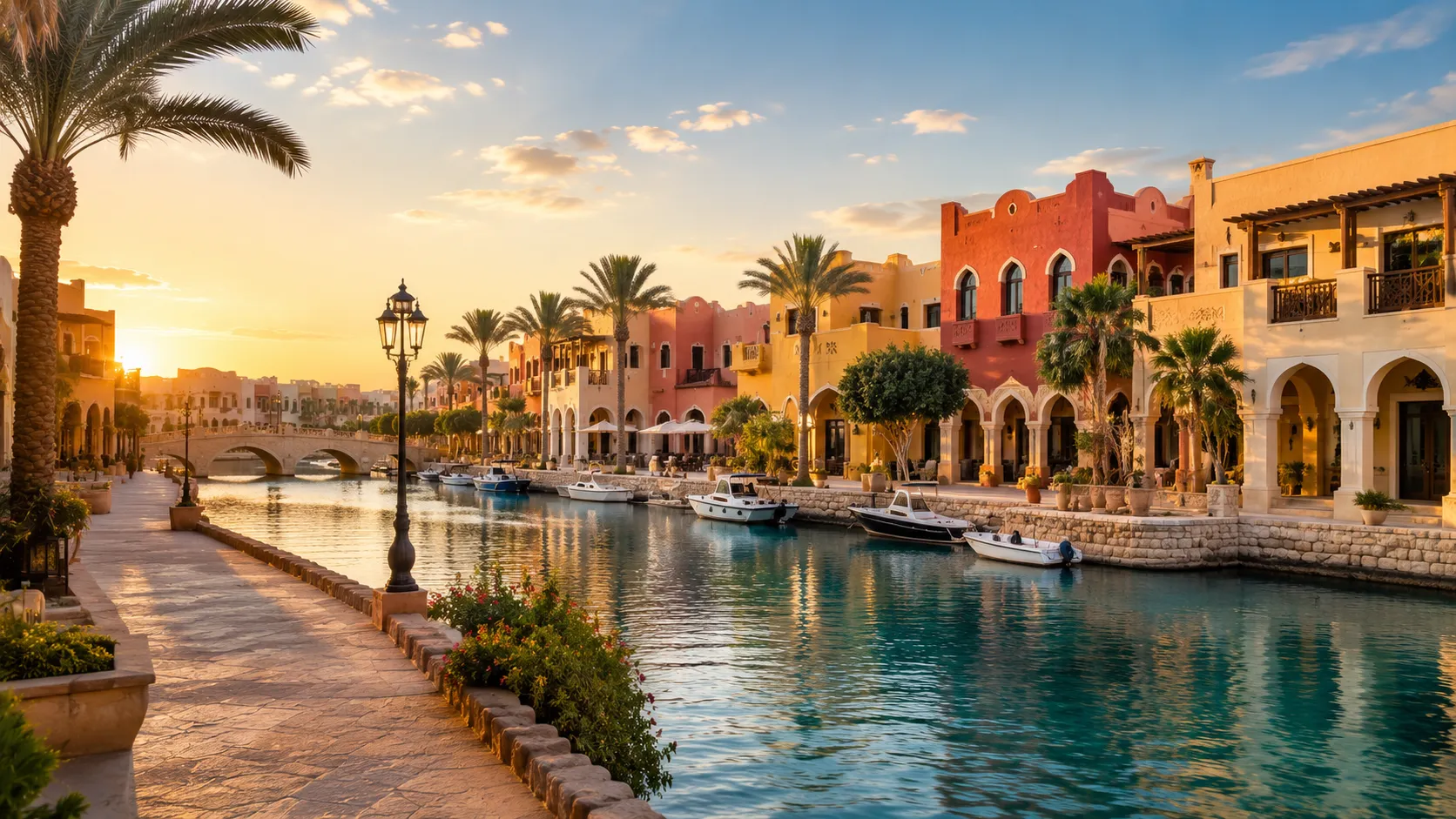
Around 25 kilometres north of Hurghada, El Gouna is a chic, self-contained lagoon town built around canals, with its own marinas, a walkable downtown, boutique hotels and a polished restaurant scene. It feels more like a Mediterranean resort village than a strip of hotels, and it draws a stylish, international crowd. Stay here if you want somewhere to stroll in the evening, a slightly cooler and breezier climate, and easy access to the reef; an El Gouna city tour or a speedboat day from its marina are lovely ways to see it. Our luxury guide leans heavily on this end of the coast.
Pick the bay before the hotel. The right stretch of coast decides whether your week is a walkable town, a sealed family resort, or a quiet reef and nothing else.Field notes · The Solara Journal
Getting around Hurghada
Within the resort bays you rarely need to move; the reason to travel is to reach the Marina, a restaurant, a dive centre or a boat. Taxis are everywhere and cheap by European standards, but they almost never use a meter, so the single most useful rule in this whole guide is this: agree the fare before you get in, in Egyptian pounds, for the specific destination. Have small notes ready and do not expect change for a large bill.
Ride-hailing apps have far thinner coverage in Hurghada than in Cairo, so do not rely on summoning a car with your phone. In practice the easiest options are a hotel car, which costs more but removes all haggling, or a pre-booked private driver for the day if you are combining several stops. Local minibuses run along the main road for a few pounds if you want the authentic, no-frills way to reach town. For any real excursion, the reef, the desert, an island, a temple, we would always book a proper private transfer rather than improvise on the day.
Ask your hotel or concierge what a taxi to your destination should cost before you walk out to the rank. Knowing the fair price in advance is worth more than any bargaining skill, and it keeps the exchange friendly rather than a contest.
Money, currency and tipping
The currency is the Egyptian pound, written EGP or LE. Cards are accepted in most resorts, larger restaurants and established shops, but Hurghada still runs largely on cash: taxis, tips, markets, small cafes and boat crews all expect notes. Draw pounds from an ATM or change money at the airport or a bank, and keep a running supply of small denominations, which are the ones you actually use. Carrying a modest amount of US dollars or euros as a backup does no harm.
Tipping, known here as baksheesh, is woven into daily life and is not something to feel awkward about. It is the customary thank-you for a service done well: the porter who carries your bags, the driver, the boat crew, the waiter, the housekeeper. Small notes given directly and often are the norm. A useful habit is to keep a dedicated pocket or envelope of small bills so that a tip is a quiet, easy gesture rather than a scramble through your wallet. Restaurant bills may already include a service charge; a little extra on top for good service is still appreciated.
Eating and drinking in Hurghada
The food in Hurghada spans two worlds. Inside the resorts you will find broad international buffets and polished a la carte restaurants built for every palate. Out in the city, and especially around the Marina and El Dahar, the eating gets more interesting: grilled Red Sea fish and seafood sold by weight, Egyptian mezze of tahini, baba ganoush and warm bread, koshari, the national bowl of rice, lentils, pasta and crisp onions, and shawarma from a spit. Fresh juices, mint lemonade and strong Arabic coffee or sweet shai tea round out most days.
Alcohol is available in resorts, licensed restaurants and bars, though it is not sold as freely as in Europe and is more expensive; local beer and Egyptian wine are the affordable choices. Tap water is not for drinking, so stick to bottled water, which is cheap and everywhere, and use it for brushing teeth if you have a sensitive stomach. For the freshest fish, eat where the locals do near the Marina and choose your catch from the ice before it is grilled.
Do not overlook the small rituals. An ahwa, a traditional coffee house, is the place to sit over a thick, cardamom-scented Arabic coffee and watch the evening go by, and a fresh mango or guava juice in the afternoon heat is one of the honest pleasures of the coast. Sweet-toothed travellers should try basbousa or a plate of umm ali, a warm bread pudding. Dinner runs late by northern-European habits, and the Marina restaurants come alive from around 8pm, which is worth knowing if you like to eat early.
The best things to do: at sea, on the reef, and in the desert
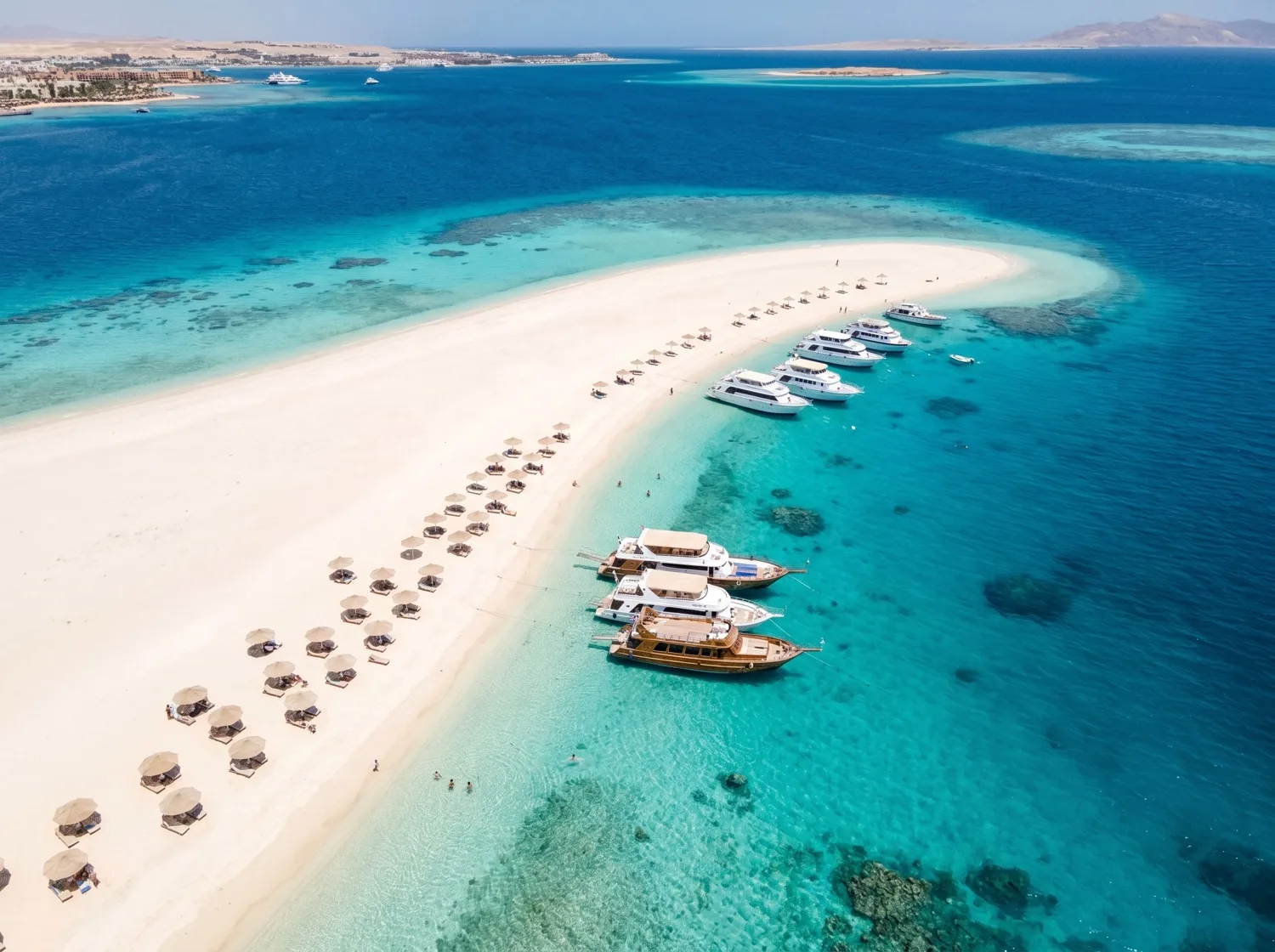
This is why you came. The signature Hurghada day is a boat trip to an island sandbank, and the two names you will hear most are Orange Bay and Paradise Island. A morning at Orange Bay delivers the postcard: a thread of white sand where the shallows glow turquoise between roughly 10am and 2pm, with a reef to snorkel just offshore. If you cannot decide between the sandbanks, read our Orange Bay versus Paradise Island comparison, and for the protected national park reefs closer to town, our Giftun Island guide.
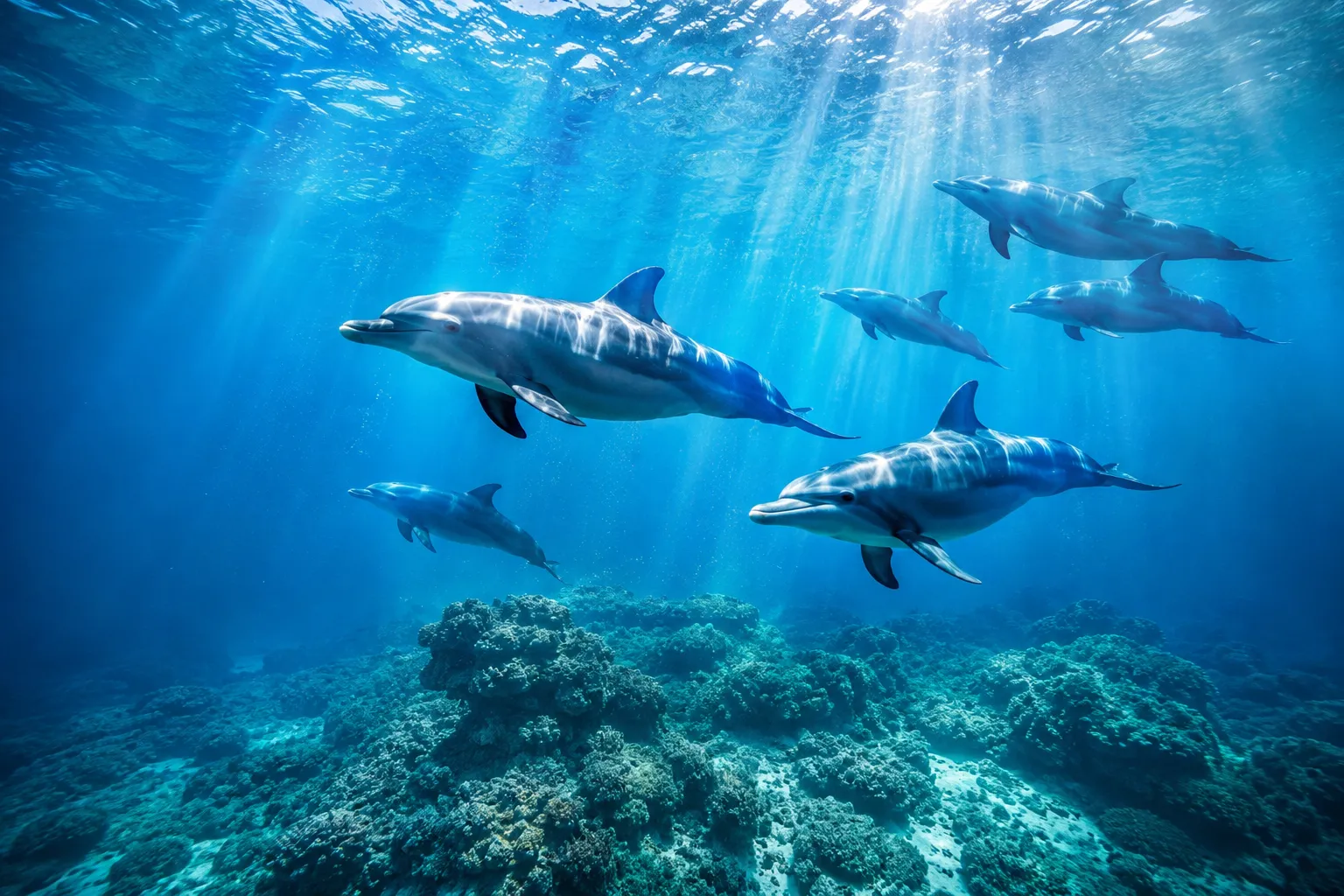
The reef itself is the quiet headline act. You do not need to be certified to see it: a mask and a slow float over a house reef reveal anthias, parrotfish, clownfish and unbothered turtles, and our best snorkeling spots guide shows you where. Certified divers can drop onto coral walls and drift dives within a short boat ride on a Red Sea diving tour, and pods of wild spinner dolphins gather at the Sha'ab El Erg horseshoe reef, best met at dawn on a Dolphin House trip. For the calmest, most private version of any of this, a chartered boat is the answer; see our guide to private boat trips on the Red Sea.
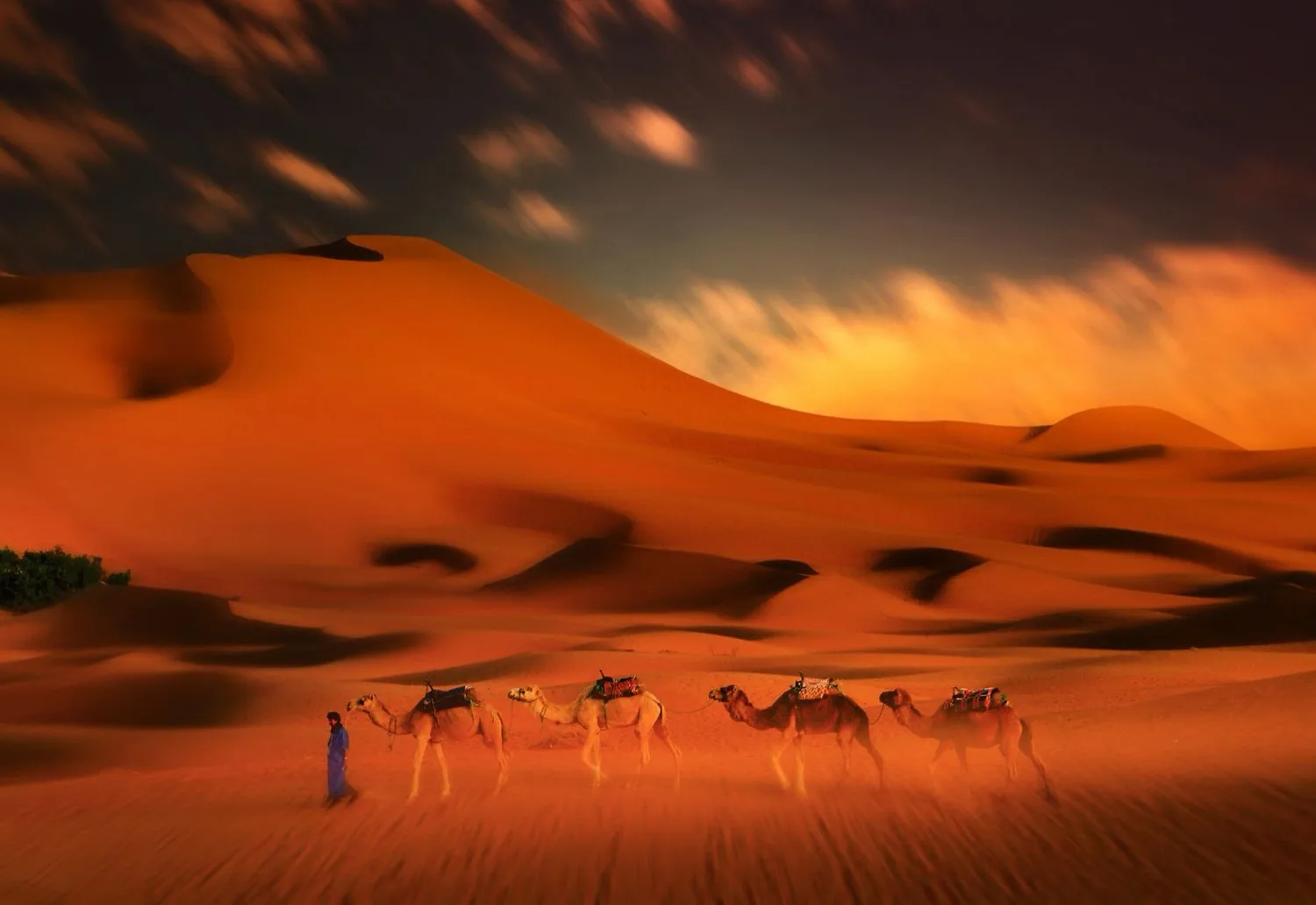
Then there is the desert, which begins twenty minutes inland and is far too easy to overlook. A late-afternoon desert safari pairs quad bikes across the dunes with Bedouin tea, dinner and a sky untouched by light pollution. Go for the departure timed to sunset so you ride into the golden light and stay for the stars. Between the sea, the reef and the sand, three genuinely different worlds sit within half an hour of your sun lounger.
Day trips to Luxor and Cairo
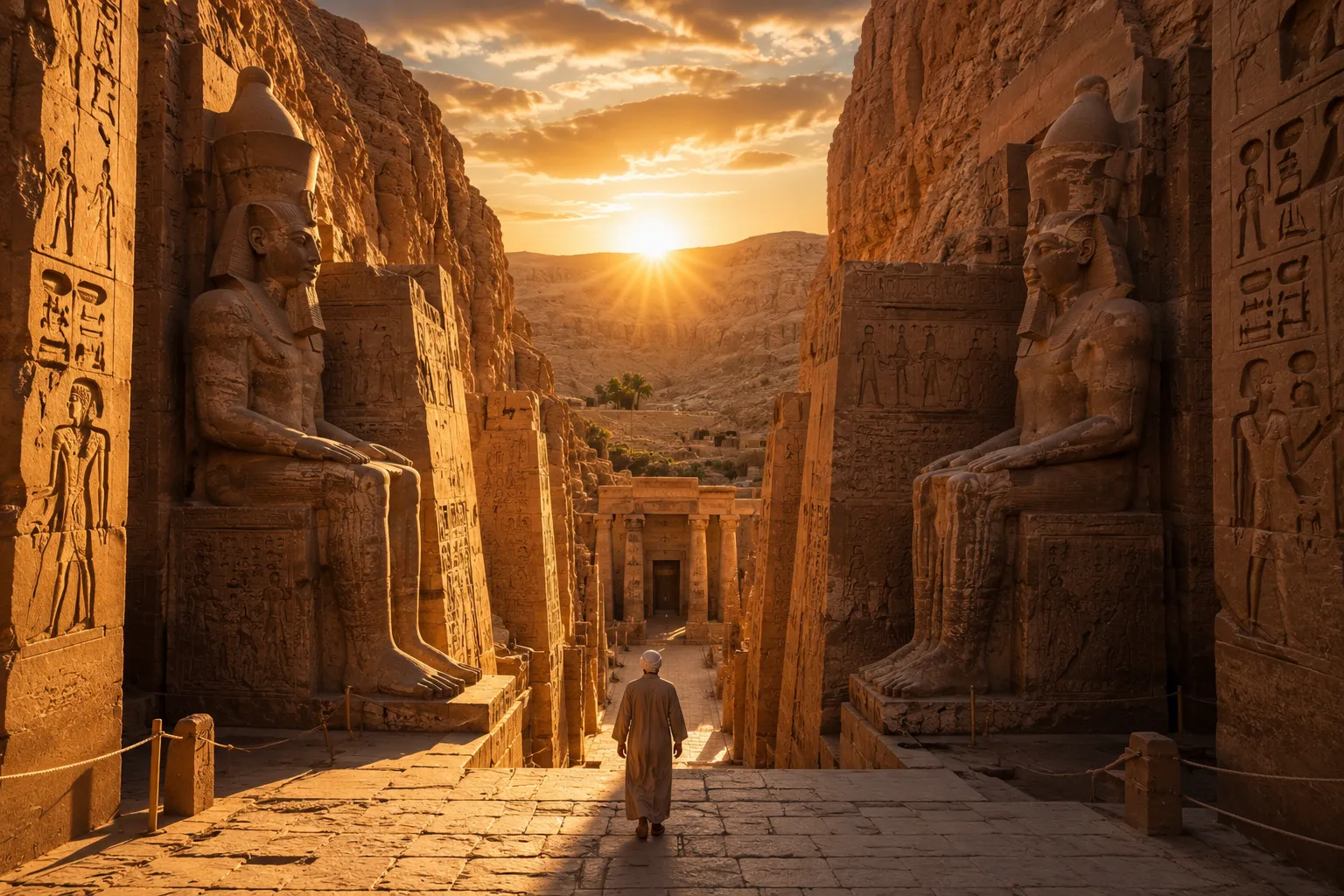
The best-kept secret of a Hurghada holiday is how close ancient Egypt actually is. Luxor, the greatest concentration of monuments on earth, sits roughly four hours west by road across the desert. On a private Luxor tour you can stand in the hypostyle hall at Karnak, cross to the Valley of the Kings, and be back at your hotel the same night; our Luxor day trip guide walks through the timing, the temples and how to do it without exhausting yourself.
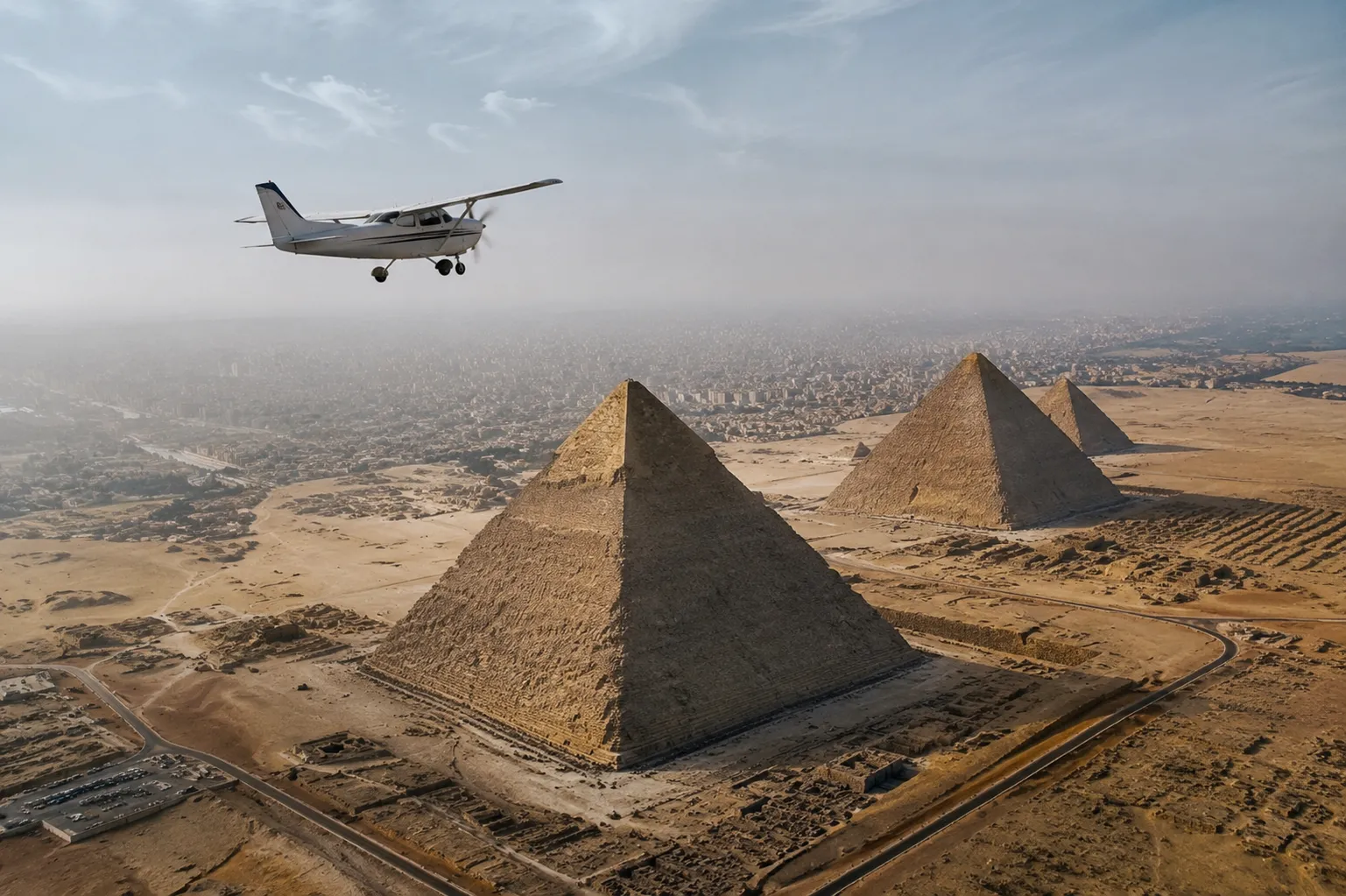
Cairo and the Pyramids are further, but a short domestic flight collapses the distance. Going to Cairo by plane rather than enduring a long overnight drive means your day is spent at Giza and the Grand Egyptian Museum, not on the motorway. Either trip is a long, rewarding day, so we suggest a slow recovery day at the beach on each side of it. These are the excursions people remember for years, and they are the reason we always tell first-time visitors that Hurghada is a beach holiday with the option of ancient history bolted on.
Three days worth planning your trip around
Hurghada for families
Hurghada is one of the easier long-haul-feeling destinations to take children to, mostly because the sea is warm and shallow, the flights are direct from much of Europe, and the resorts are built for it. The island sandbanks have calm, waist-deep water; glass-bottom and dolphin boats need no swimming; and the desert safari, taken at an early hour and a gentle pace, thrills most ages. Choose a base like Makadi Bay or a family resort in Sahl Hasheesh, keep to one big outing a day, and build in pool time between adventures. Our family guide to Hurghada goes deep on ages, timings and what to skip.
Hurghada for a luxury trip
At the other end, Hurghada rewards travellers who want space, privacy and a slower rhythm. That looks like a suite in Soma Bay or El Gouna, a private boat rather than a shared one, a spa afternoon such as a Cleopatra royal spa experience, and days shaped around the light rather than a group timetable. The difference is rarely the sight itself; it is the car on time, the captain who knows your name, and the table set in the shade before you arrive. Our luxury things to do guide collects the quieter, higher versions of every classic day.
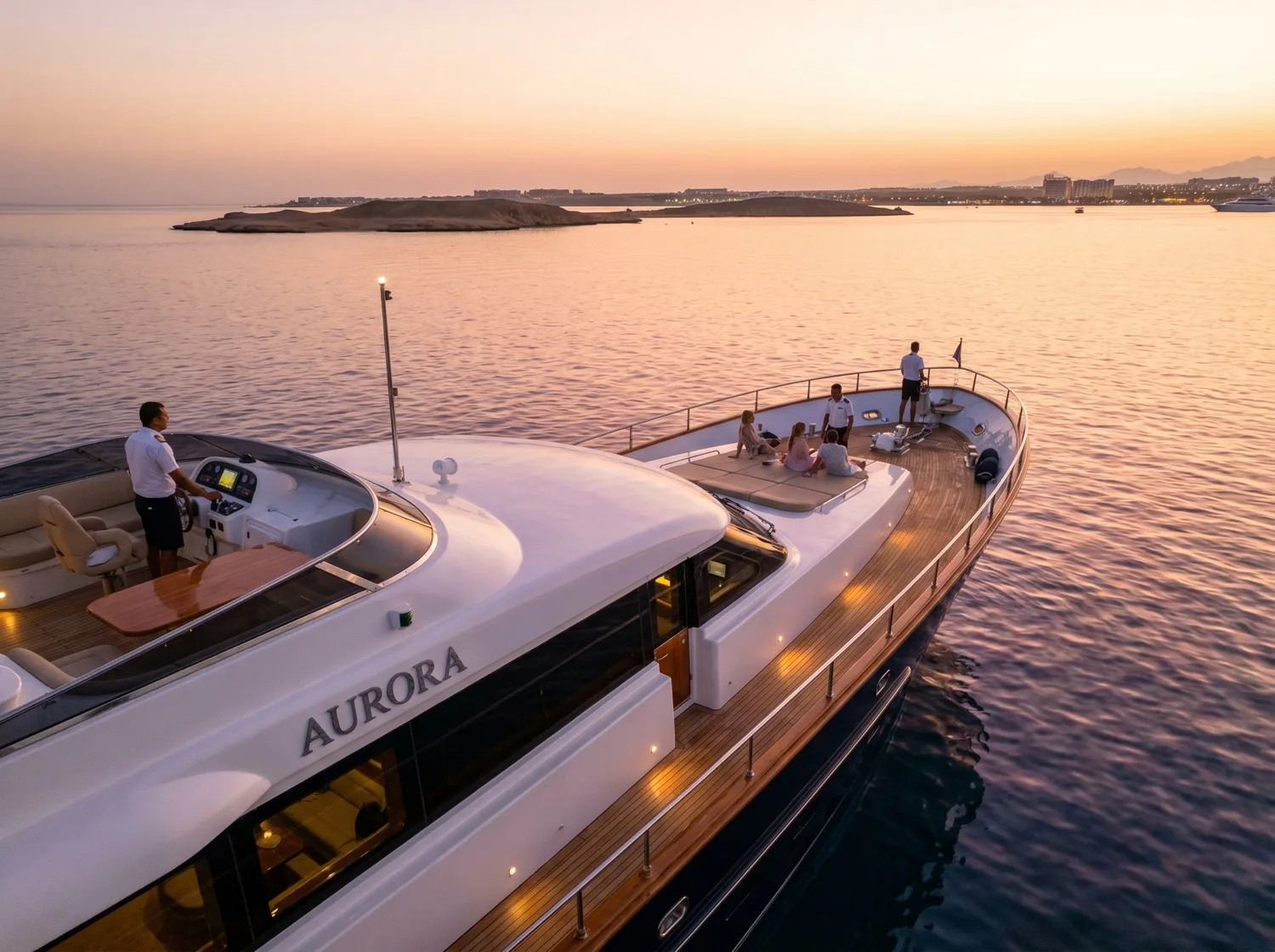
The economics of privacy work in your favour here more than in most destinations. Chartering a small boat for your own group, rather than joining a full day-boat, costs a fraction of what the same privacy would in the Mediterranean, and it changes the day completely: your own departure time, your own snorkelling stops, and a sandbank reached before the fleet. The same is true of a private car and guide for Luxor or Cairo. If there is one upgrade we would always spend on, it is exclusivity on the water.
Staying safe and healthy
Hurghada is a calm, well-established resort city, and the excursions run through it are set up for visitors with a professional standard of care. The everyday adjustments are the practical ones: the sun is strong, so a high-factor cream, a hat and shade are non-negotiable, and reef-safe sunscreen protects the coral you came to see. Drink only bottled water, ease into the local food, and carry a basic kit for an upset stomach. On the water, listen to the crew, wear a life vest if you are not a confident swimmer, and never touch or stand on the coral. Our is Hurghada safe guide covers health, women travelling, and common-sense city advice in full.
Two more things are worth arranging before you fly. First, take proper travel insurance that covers water sports and, if you plan to scuba dive, diving specifically, since many standard policies exclude it. Second, if you are diving, leave at least 18 to 24 hours between your last dive and your flight home to avoid any risk from cabin pressure, which is easy to plan around if you keep your diving to the first days of the trip. Hurghada has decompression chambers and private hospitals used to treating visitors, but the whole point is to never need them.
This Hurghada travel guide, in three itineraries
Everything above comes together in the planning. The single most useful principle we can give you is to book no more than one big experience a day and leave room to do nothing beautifully. Here is how a trip tends to fall into place across three, five and seven days.
Three days: the essentials
- Day 1: An island boat trip to Orange Bay or Paradise Island, out early, with snorkelling on the offshore reef.
- Day 2: A dawn Dolphin House trip, then a slow afternoon on the house reef or by the pool.
- Day 3: A desert safari from late afternoon into the night, with dinner under the stars.
Five days: unhurried
- Day 1: Arrive, settle in, and spend the afternoon on the beach and house reef.
- Day 2: An island sandbank day, out before the crowds.
- Day 3: A private Luxor day trip to Karnak and the Valley of the Kings.
- Day 4: A recovery day: spa, pool, or a gentle snorkel.
- Day 5: A desert safari and Bedouin dinner to close the trip.
Seven days: the full Red Sea
- Days 1 to 2: Arrival, beach, and a first island boat trip.
- Day 3: Cairo by plane for Giza and the Grand Egyptian Museum.
- Day 4: A slow day on the reef, snorkelling or diving.
- Day 5: A private Luxor tour across the desert.
- Day 6: A recovery day and a spa afternoon.
- Day 7: A desert safari and a final Red Sea sunset.
Practical tips before you go
A handful of small things smooth the whole trip. Egypt runs on 220 volts with European-style two-pin round plugs (types C and F), so pack the right adaptor. Buy a local tourist SIM from Vodafone, Orange or one of the other carriers at the airport or in town for cheap, reliable data; it is cheaper and faster than roaming. Arabic is the language, but English is widely spoken across tourism, and a few words of greeting are always welcomed.
Dress is relaxed at the beach and pool, where swimwear is normal, but modest clothing that covers shoulders and knees is respectful in town, in local markets and at religious sites, and is genuinely more comfortable in the sun. In the markets, gentle haggling is expected and should stay good-humoured: decide what a thing is worth to you, offer well below, and settle somewhere in the middle, or walk away with a smile if the number is not right. And keep that pocket of small notes topped up for tips and taxis, which is the habit that makes every day here run more smoothly. If you are ready to hand the details to someone who lives here, our whole Journal is built to help.
Load a local SIM the moment you land and screenshot your hotel's name and address in Arabic. A working phone and an address a driver can read are the two things that quietly prevent almost every small travel headache.
Planning your trip: how Solara does it
Everything in this guide is bookable a hundred different ways. What we do at Solara is remove the friction from the good version of it: the private boat that leaves before the day-fleet, the driver who is early rather than on time, the desert night timed to the light, the Luxor day shaped so you see the temples without the exhaustion. We live on this coast, we run these trips, and we plan each one the way we would for our own guests. Tell us the shape of your trip and the rest is ours to arrange. When you are ready, start with our things to do guide or simply get in touch.