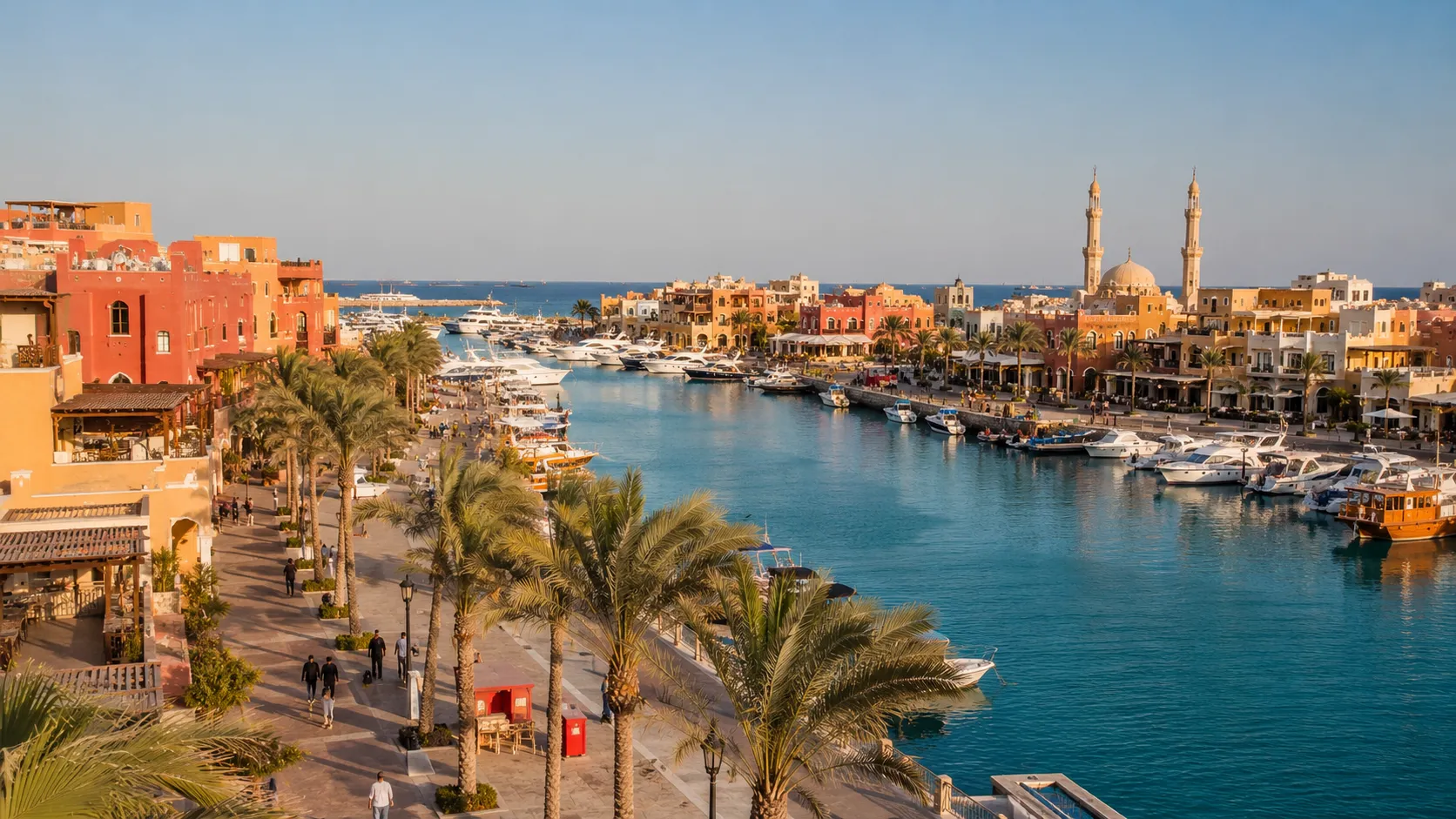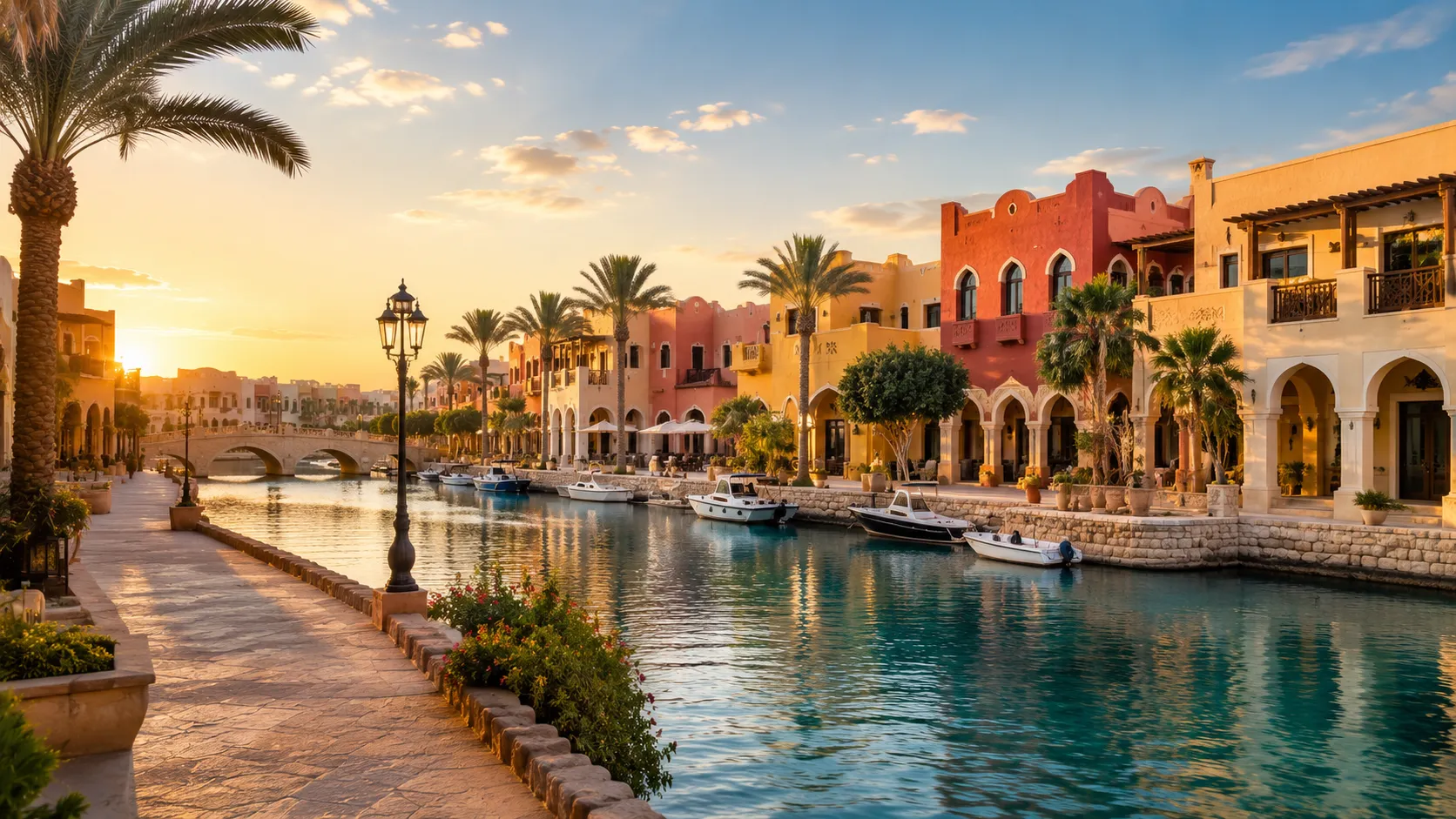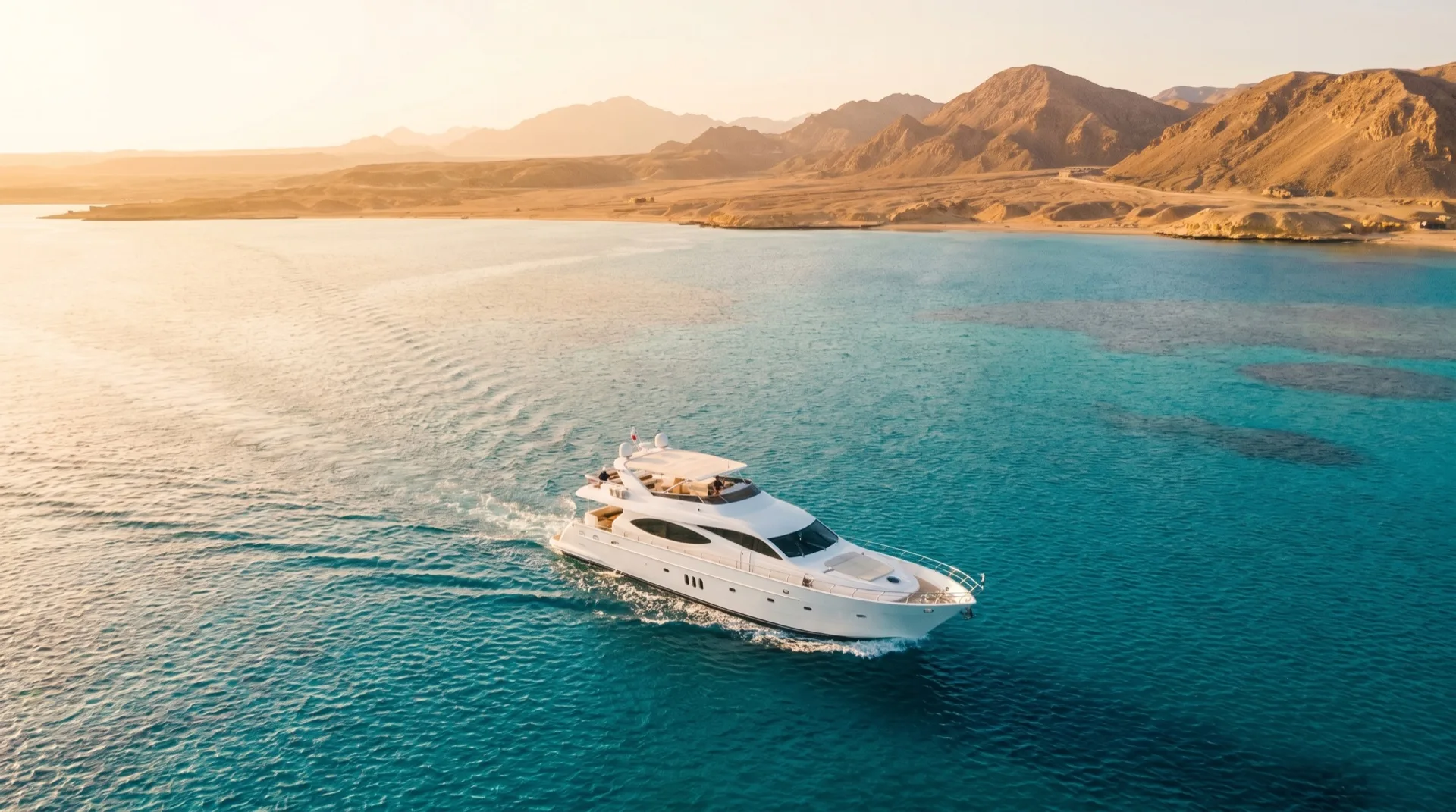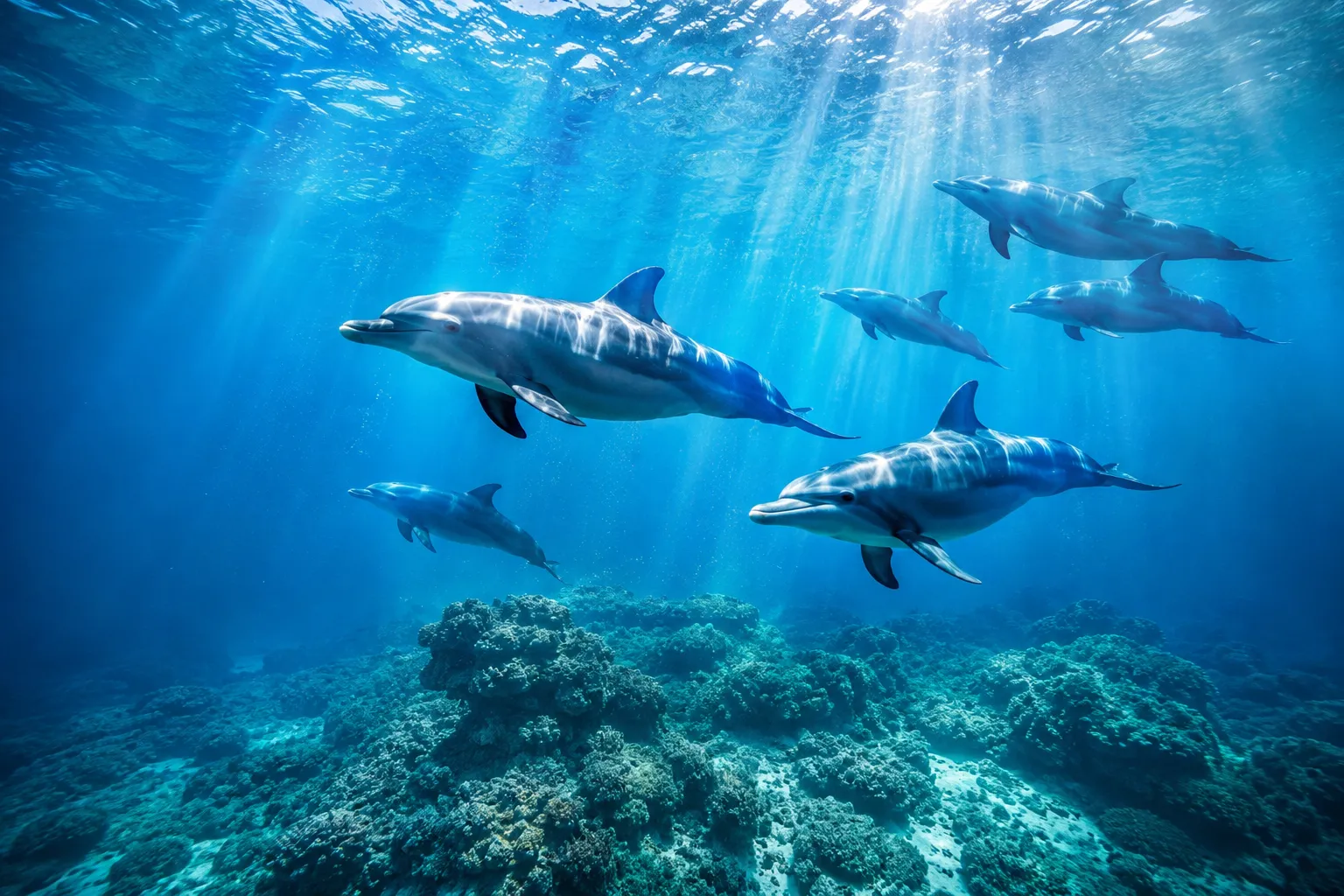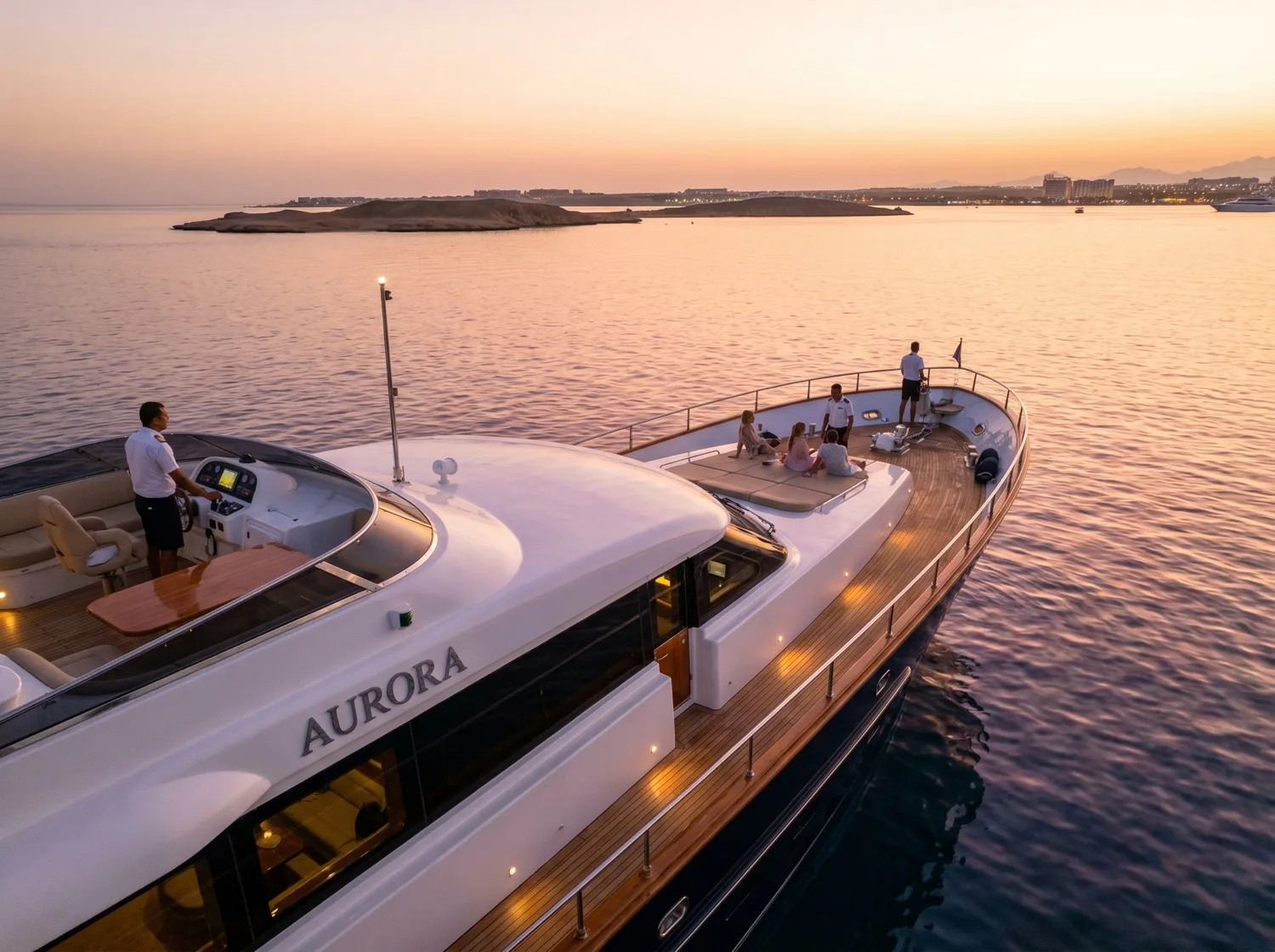
Yes, Hurghada is generally very safe for tourists, with sensible precautions. This is a resort city whose economy runs almost entirely on visitors, which gives everyone from hotel staff to boat captains a direct stake in your wellbeing. Violent crime against foreigners is rare. The genuine risks here are ordinary and manageable: too much sun, an upset stomach, a pushy vendor, an over-eager quad bike. Travel with a little common sense and the right operators, and you will spend your week worrying about nothing heavier than which reef to snorkel first.
Is Hurghada safe overall in 2026?
Hurghada sits on Egypt's Red Sea coast, hundreds of kilometres from the country's borders and from the areas that occasionally appear in travel advisories. Millions of Europeans, Egyptians and, increasingly, visitors from across Asia pass through every year, and the overwhelming majority go home with nothing worse than a tan and a full camera roll. Tourism is the town's livelihood, so keeping guests happy and safe is not a slogan here, it is the business model. Police posts, tourist police and hotel security are a visible, everyday presence around the resort strip, the marina and the main roads.
That does not mean you switch your brain off. Hurghada is a real working city as well as a holiday one, with ordinary big-town realities: opportunistic pickpocketing in a crowded market, the occasional inflated taxi fare, hard-sell in the bazaars. None of it is unique to Egypt, and almost all of it is avoidable. The single most useful thing you can do is treat the town the way you would treat any unfamiliar city, keep your valuables close, agree prices before you commit, and book the activities that carry real risk, boats and desert vehicles, through licensed operators rather than a stranger on the beach.
- Overall risk to tourists is low; the town depends on you being happy and safe.
- Drink only bottled or filtered water, and skip ice and salads you are unsure about early in the trip.
- Respect the sun: shade, water and SPF 50 from mid-morning to mid-afternoon.
- Agree every taxi fare before you get in, or use a metered app where it works.
- Book boats, diving and desert trips through licensed, insured operators with life jackets and briefings.
- Dress lightly on the beach, more modestly in town, markets and near mosques.
- Carry travel insurance that covers watersports, and keep pharmacies and your hotel doctor in mind.
- Save the emergency numbers: police 122, ambulance 123, tourist police 126.
Check your own government's current travel advice for Egypt before you fly. Most Western advisories rate the Red Sea resorts, including Hurghada, very differently from remote border regions. Reading the actual wording, rather than a headline, usually reassures more than it worries.
Is Hurghada safe for solo female travelers?
Broadly, yes, and plenty of women travel here alone and have a wonderful time. The resort zones, the marina and organised excursions feel relaxed and unthreatening, and Egyptians are, as a rule, warm and hospitable toward guests. What solo women do report is attention: comments, persistent sales patter, the occasional unwanted approach in busier public areas. It rarely goes beyond that, and a calm, firm response almost always ends it. This is a conservative culture in many respects, and dressing a little more modestly away from the beach, covering shoulders and knees in town and the souk, tends to draw noticeably less notice.
The practical playbook is the familiar one. Walk with purpose, keep your phone charged, and trust your instincts if a situation feels off. Prearranged airport transfers and pre-booked excursions remove the moments where problems usually start, a haggle over a fare, a lift with someone you have just met. A small-group or private day out with a vetted guide means you are looked after from pickup to drop-off, which is why many solo travelers lean on organised trips like a guided Hurghada city tour to get their bearings before exploring more freely. For a fuller sense of the town's rhythm, our complete Hurghada travel guide is a good next read.
Is Hurghada safe for families and children?
Hurghada is one of the more family-friendly beach destinations in the region, which is a large part of its appeal. The big resorts are built around children: shallow pools, kids' clubs, gentle beaches and buffets that will feed even the fussiest traveller. The sea along much of the coast is calm and warm, and the classic island trips have long stretches of shallow, clear water that suit non-swimmers and small children well. Egyptians dote on children, and you will find staff and locals genuinely welcoming to families.
The things to watch with children are the same everywhere, amplified by the climate. Sun is the big one: hats, rash vests and frequent shade breaks matter far more here than at home. Keep little ones hydrated, mind hot surfaces and poolsides at midday, and on boats insist on properly fitted children's life jackets. Choose excursions pitched at families, where the pace is gentle and the crew are used to young passengers. Our guide to family things to do in Hurghada lays out which trips work best with kids in tow, and which are better saved for another year.
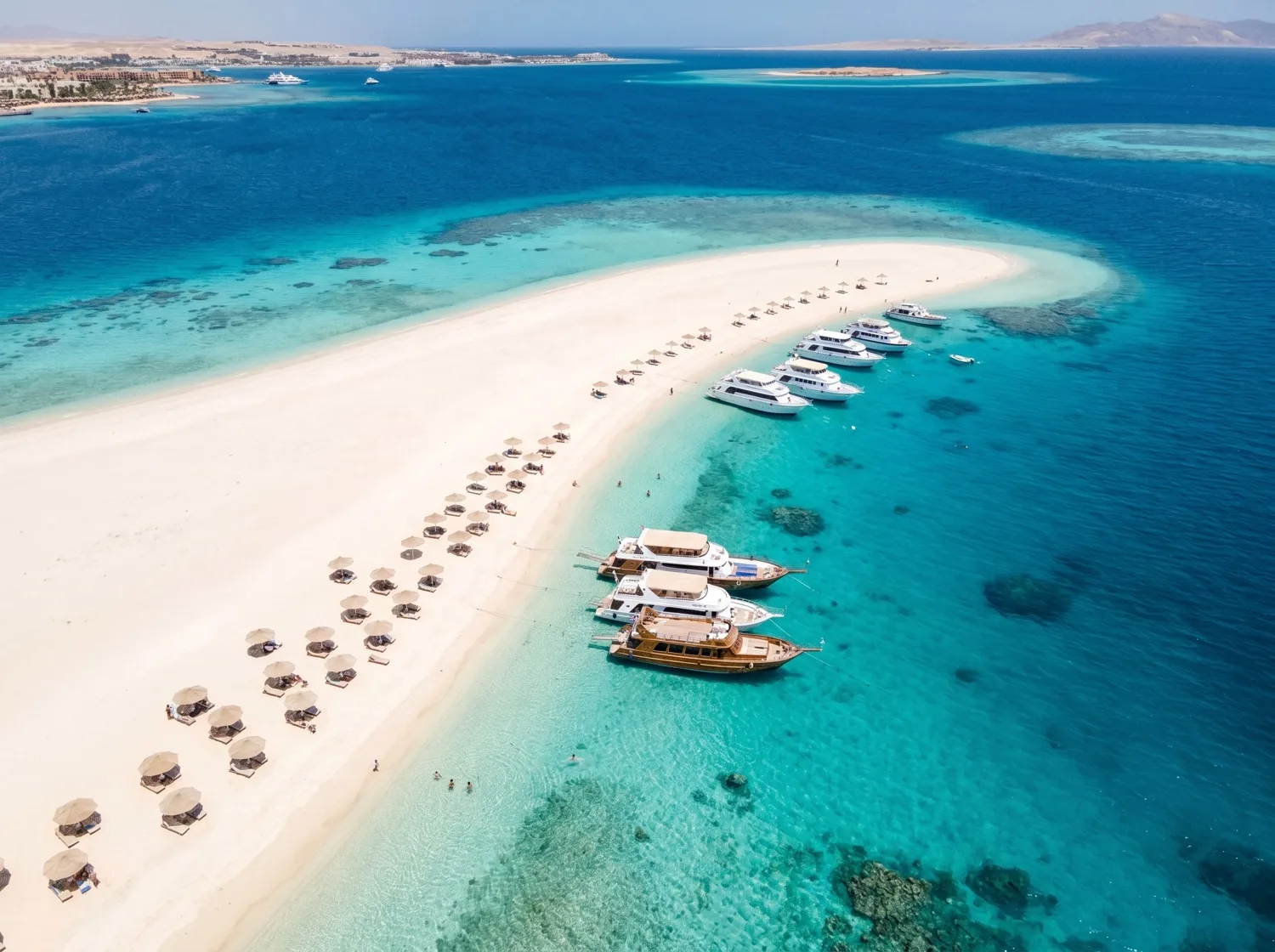
Scams and hard-sell: what to expect and how to handle it
This is where most visitors actually feel friction, and almost none of it is dangerous, just tiring if you are not ready for it. Hurghada's tourist areas run on commission, so expect enthusiastic selling. The good news is that a friendly, unbothered no, delivered without stopping or making eye contact, resolves the vast majority of it. Knowing the common approaches in advance takes away their power.
A handful of set pieces come up again and again. With taxis, agree the fare out loud before you get in, or use a ride-hailing app where it operates; a driver who says the meter is broken is negotiating, not stating a fact. In the bazaars, the first price is theatre, so smile, counter at roughly a third to a half, and be genuinely ready to walk away, which is when the real price appears. Treat free gifts with polite suspicion: a bracelet slipped onto your wrist or a spice pressed into your hand is a hook, not a present, and you can simply hand it back. Timeshare and holiday-club pitches, the scratchcard win, the survey, the invitation to a free trip, all funnel toward a high-pressure sales room, so decline the whole chain from the very first step. And with camel or photo hustles, fix the total price and the duration before you sit on anything, because a two-minute ride has a way of ending with a large fee to get down.
The through-line is simple: decide the price and the terms before money or goods change hands, and never let momentum carry you into a room, a shop or a vehicle you did not intend to enter. When you book excursions through a reputable house, the boat trips, the desert nights, the island days, the price is fixed and transparent from the start, which quietly removes the single biggest source of holiday stress on this coast.
Almost every problem a guest brings us started with a deal made too fast, on a beach, with a stranger. Slow the moment down and most of Hurghada's so-called dangers simply evaporate.Solara concierge
Tap water, ice and avoiding an upset stomach
The most common thing to actually spoil a Red Sea holiday is not crime, it is a stomach upset, and it is largely preventable. Do not drink the tap water. Bottled water is cheap and everywhere, and reputable hotels provide it; use it for drinking and even for brushing your teeth if you have a sensitive system. In the first days, be cautious with ice from informal places, with unpeeled raw fruit and salads that may have been washed in tap water, and with anything lukewarm from a buffet that has been sitting out. Established resort kitchens and busy restaurants with high turnover are your safest bet.
A short adjustment period is normal as your gut meets new bacteria, and it usually passes in a day or two. Pack rehydration salts and a standard anti-diarrhoeal from home, keep your fluids up, and rest. Pharmacies here are excellent and well stocked if you need more. None of this should make you nervous of eating; Egyptian food is one of the great pleasures of the trip. It simply means easing in sensibly rather than sampling everything from a street cart on your first jet-lagged afternoon.
Keep a couple of sealed bottles of water in your room and one in your day bag at all times. In this climate you need far more than you think, and having your own supply means you are never tempted by an unknown source when you are thirsty on a boat or out in the desert.
Sun, heat and heat exhaustion
The sun is the risk most travelers underestimate, because it does not feel like a risk until it is one. Hurghada is genuinely hot for much of the year. Summer days from June to September regularly sit in the high 30s Celsius and can push past 40, and a sea breeze can mask how hard the sun is working on your skin. Even spring and autumn deliver strong midday UV. Winter is mild and pleasant, roughly low 20s by day, but you can still burn on the water.
Treat sun and heat with the seriousness they deserve. Use a high-factor, reef-conscious sunscreen and reapply after swimming, wear a hat and sunglasses, and seek shade in the fierce hours between roughly 11am and 3pm. Drink water steadily rather than waiting until you are thirsty. The warning signs of heat exhaustion, headache, dizziness, nausea, cramps, clammy skin, mean stop, get into the shade or air conditioning, cool down and rehydrate. Children and older travelers feel it fastest. Timing outdoor activity for early morning or late afternoon is not just more comfortable, it is safer, which is exactly why the best desert and boat trips are scheduled around the edges of the day. If you want the coast at its kindest, our guide to the best time to visit Hurghada breaks the seasons down month by month.

Sea and marine safety on the Red Sea
The Red Sea is the reason most people come, and it is a benign, gorgeous body of water most of the time. It is also where the few serious risks on a Hurghada holiday actually live, so it deserves respect. Wind can pick up quickly and change the sea state, currents run stronger offshore than they look from a lounger, and open water is unforgiving of overconfidence. Snorkellers and swimmers get into trouble not because the sea is treacherous, but because they drift further than they meant to or overestimate their fitness in the heat.
The reef itself asks for care rather than fear. Do not touch or stand on coral, both to protect a living, fragile ecosystem and to protect yourself: fire coral stings, and a coral graze can be slow to heal in warm water, so rinse and disinfect it promptly. Watch where you put your hands and feet, because stonefish, lionfish and the long black spines of sea urchins reward carelessness. Reef shoes in shallow, rocky entries are a small, sensible investment. Marine stings are usually more painful than dangerous, but seek medical help if you have a strong reaction.
The biggest single safety decision you make on the water is which operator you go out with. A licensed, insured boat carries enough properly sized life jackets for everyone, gives a real briefing, has first aid and oxygen aboard, and has a captain who reads the weather and does not overload the deck. A cheap, unlicensed boat cutting corners is where the rare but real accidents happen. Wear the life jacket if you are anything less than a confident swimmer, stay within sight of the boat, and follow the crew's guidance on where and when to enter the water. For the calmest, most controlled days afloat, a smaller vessel is worth it; our guide to private boat trips on the Red Sea explains why.
Roads, taxis and quad or desert-safari caution
Egyptian traffic is the thing that most surprises first-time visitors, and it is fair to say driving here follows its own logic. Lanes are advisory, horns do much of the communicating, and pedestrians cross with a certain faith. As a visitor, the wise move is to be a careful passenger rather than a driver: use reputable taxis, pre-booked transfers or established ride-hailing apps, wear a seatbelt where one exists, and cross roads with local patience rather than at home speed. On the resort strip everything is close and walkable, and you rarely need to venture into serious traffic at all.
Quad biking and desert safaris are a highlight of any Hurghada trip and are safe when run properly, but they are motorised vehicles on open terrain, so respect them. Wear the helmet and any goggles provided, listen to the full safety briefing, keep a sensible distance from the bike in front to stay out of its dust, and resist the urge to race. Kicked-up sand reduces visibility fast. Go with an operator that maintains its machines, caps group sizes and has a guide who sets the pace, rather than the cheapest option that hands you a quad and points at the horizon. A well-run desert safari is one of the most memorable evenings on this coast, precisely because the risk is managed for you.
Alcohol, dress and local customs
Egypt is a Muslim-majority country with a relaxed, tourism-shaped attitude in the Red Sea resorts, and knowing where the line sits keeps everyone comfortable. Alcohol is legal and freely available in licensed hotels, bars and restaurants, and no one will blink at a beer by the pool. Drinking in the street or being visibly drunk in public is a different matter and is best avoided. During Ramadan, many locals fast from dawn to dusk; hotels still serve visitors, but eating, drinking and smoking discreetly in public during daylight is a courtesy that is noticed and appreciated.
On dress, the resorts are easy: swimwear and beachwear are entirely normal on the beach and around the pool. Away from the tourist zones, in town, in the souk, and especially near mosques, covering shoulders and knees is respectful and, for women, tends to reduce unwanted attention. A light scarf in your bag is useful for entering religious sites. Public displays of affection are best kept modest. None of this is heavy-handed in Hurghada, and a little cultural awareness is repaid many times over in the warmth you get back.
Health, pharmacies, insurance and hospitals
Hurghada is well equipped for a resort town of its size. Pharmacies are plentiful, well stocked and often able to advise on and dispense common medications without the wait you might expect at home, which handles the vast majority of minor holiday ailments. For anything more serious, there are private hospitals and clinics used to treating international patients, including the diving and decompression issues that come with a marine destination. Standards at the reputable private facilities are generally good.
The non-negotiable is travel insurance, and you should buy it before you travel. Check that your policy explicitly covers watersports, and specifically scuba diving to the depths you intend if you plan to dive, because standard policies often exclude it. Private medical care must be paid for, and insurance turns a stressful, expensive situation into a phone call. Bring any prescription medicines you need in their original packaging with a copy of the prescription, pack a small kit with sunscreen, rehydration salts, plasters and any personal essentials, and check whether you need any vaccinations well before departure. With that in place, the health side of a Hurghada holiday is genuinely low-stress.
Emergency numbers and who to call
Keep these saved in your phone before you need them. If something does go wrong, the tourist police in particular are used to helping foreign visitors and are your first port of call for anything involving a scam, a dispute or a theft. Your hotel reception is also an excellent, English-speaking resource that can summon a doctor, call a reliable taxi or translate in a difficult moment.
- Police: 122
- Ambulance: 123
- Tourist Police: 126
- Fire service: 180
- Egypt country code: +20; Hurghada landlines begin 065.
- Keep your hotel's direct number and your insurer's 24-hour assistance line to hand.
Store your insurer's emergency line, your hotel number and a photo of your passport photo page in your phone, and note your consulate's contact details. It takes five minutes at home and means that in the unlikely event of a problem, everything you need is already in your pocket.
How Solara keeps you safe on the water and in the desert
Most of the risk on a Hurghada holiday is concentrated in exactly the moments where a good operator earns their keep: the boat you board, the vehicle you ride, the guide who reads the weather and the crowd. We run small-group and private experiences with licensed, insured boats and vehicles, correctly sized life jackets for every guest including children, proper safety briefings, first aid aboard, and captains and guides who know this coast and this desert intimately. Prices are fixed and transparent, so there is no haggling on a jetty and no pressure to do more than you are comfortable with. That is not a sales pitch so much as the whole point: you should be able to enjoy the Red Sea without quietly worrying whether the person driving the boat has done this before.
So, is Hurghada safe? For the ordinary traveller who takes a few sensible steps, comfortably yes. Mind the sun and the water, drink from a bottle, keep your wits in the market, agree your prices, and choose your operators with care. Do that, and this becomes one of the most relaxing, rewarding corners of Egypt to explore. When you are ready to turn the planning into a trip, browse the full range of experiences, read more in the Solara Journal, or simply get in touch and we will build a week around you that feels effortless from the moment you land. If you want inspiration first, start with the best things to do in Hurghada.