The best family things to do in Hurghada are the ones built around calm water and short travel times: a dawn boat to see wild dolphins, an island sandbank where toddlers can paddle in ankle-deep shallows, a glass-bottom boat for children who do not yet swim, and an early desert safari with camel rides and quad passenger seats. Do Hurghada with kids the way we plan it for our own guests, one gentle experience per day, timed to dodge the midday heat, and it becomes one of the easiest family trips on the Red Sea.
Hurghada is a genuinely good place to travel with children. The sea is warm from spring to late autumn, the resorts are set up for families, and the signature days out, dolphins, islands, reef and desert, can each be scaled up or down by age. Distances are short, too: most boat trips leave from a marina within twenty minutes of the main resort strip, and the desert begins just inland, so no single day involves hours in a car with a restless toddler. The one thing that trips parents up is booking through a marketplace that treats a family of five the same as a stag party of twenty, then packs everyone onto the same crowded day-boat. The trips below are chosen for how they actually work with children, with clear guidance on which suit toddlers, which need older kids, and how to keep everyone safe, cool and unbothered by seasickness.
The best family things to do in Hurghada, at a glance
If you only skim one part of this guide, make it this. Here is the shortlist by age, so you can match each day to the youngest child in your group.
- Toddlers (roughly 1-4): island sandbank days at Orange Bay or Paradise, a glass-bottom or semi-submarine boat, resort pools and mini aqua parks, and a short camel ride at the desert camp.
- Ages 5-9: the Dolphin World show, a wild-dolphin boat to Dolphin House, first snorkeling in the shallows with a float vest, and a desert safari from the quad passenger seat.
- Ages 10 and up: a full Dolphin House snorkel with the pods, reef snorkeling from the boat, longer desert quad rides, and a city and market half-day.
- Every age: choose a smaller or private boat for calmer water, book the earliest departure, and keep one slow pool day between big excursions.
Swim near wild dolphins at Dolphin House
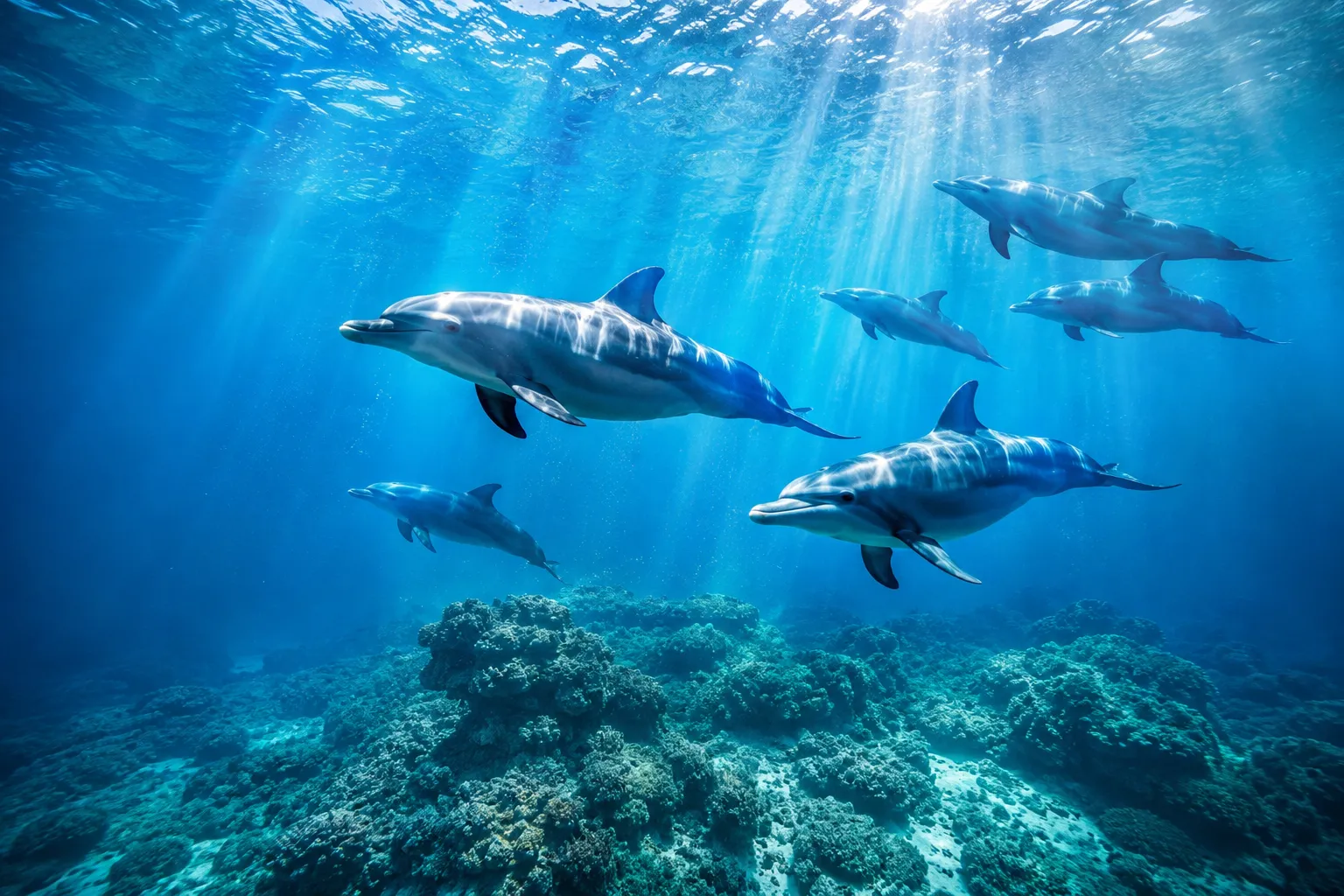
At Sha'ab El Erg, a horseshoe reef about 90 minutes north of the marina, pods of wild spinner dolphins rest and play through the morning. A Dolphin House trip is the day most families remember for years. Children old enough to snorkel confidently, usually eight and up, can float at the surface and watch the pods pass below, always on the dolphins' terms, never chasing or touching. Younger children stay happy on the boat, where the dolphins often ride the bow in plain view, and the trip usually pairs the dolphin stop with an hour of gentle reef snorkeling in the shallows, so there is something for every age. This is a wild encounter, not a paid swim in a pen, and the dolphins come and go as they please, which is exactly what makes it special. Manage expectations with children in advance: some mornings the pods are everywhere, others they surface briefly and move on, and the sea itself, warm, clear and full of fish, carries the day either way.
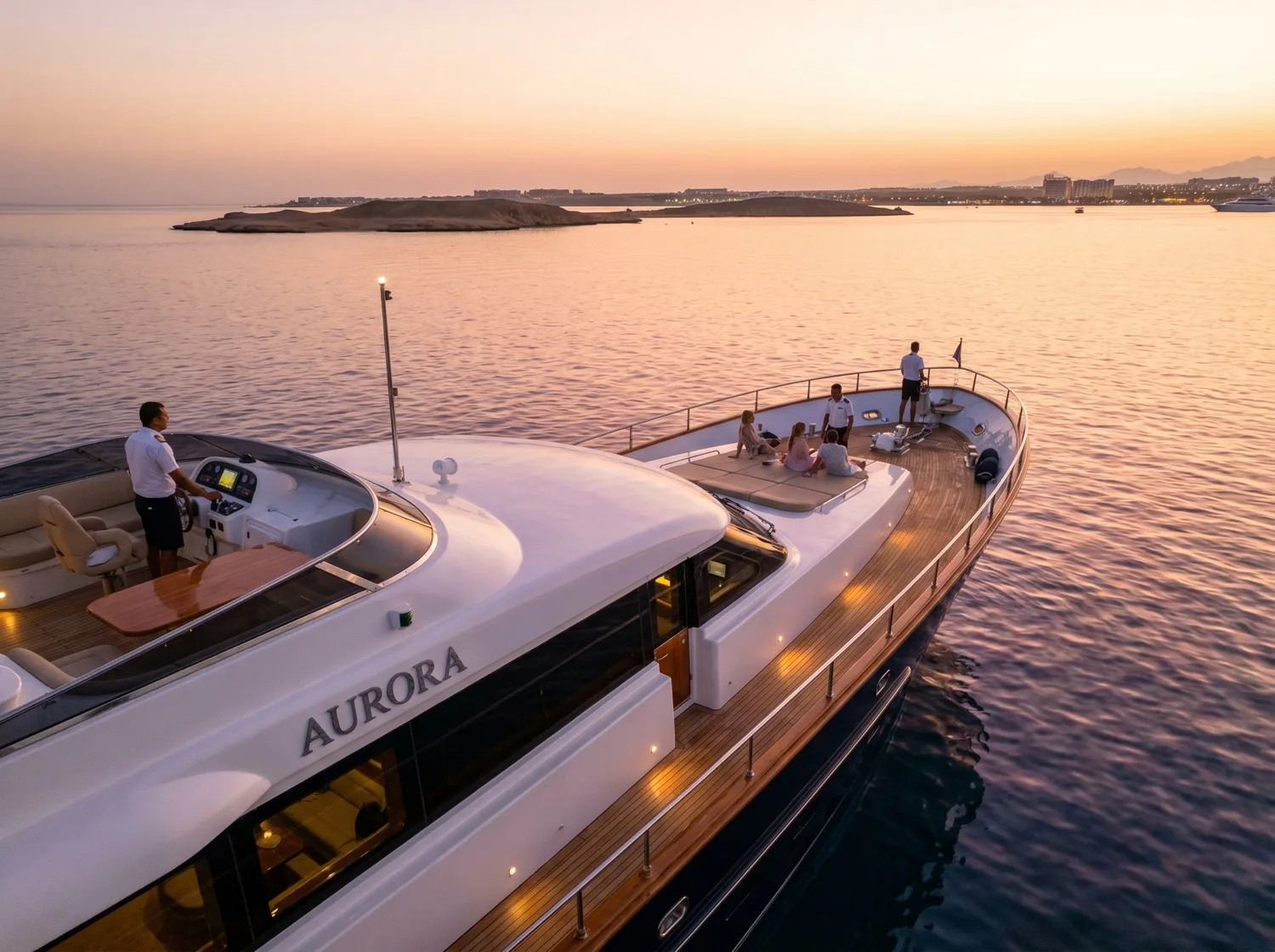
For families, book a private or small-group boat with a dawn departure. Calmer morning water means less seasickness, fewer other swimmers, and a captain who can hold position patiently when a pod settles nearby.
The Dolphin World show, gentlest for little ones
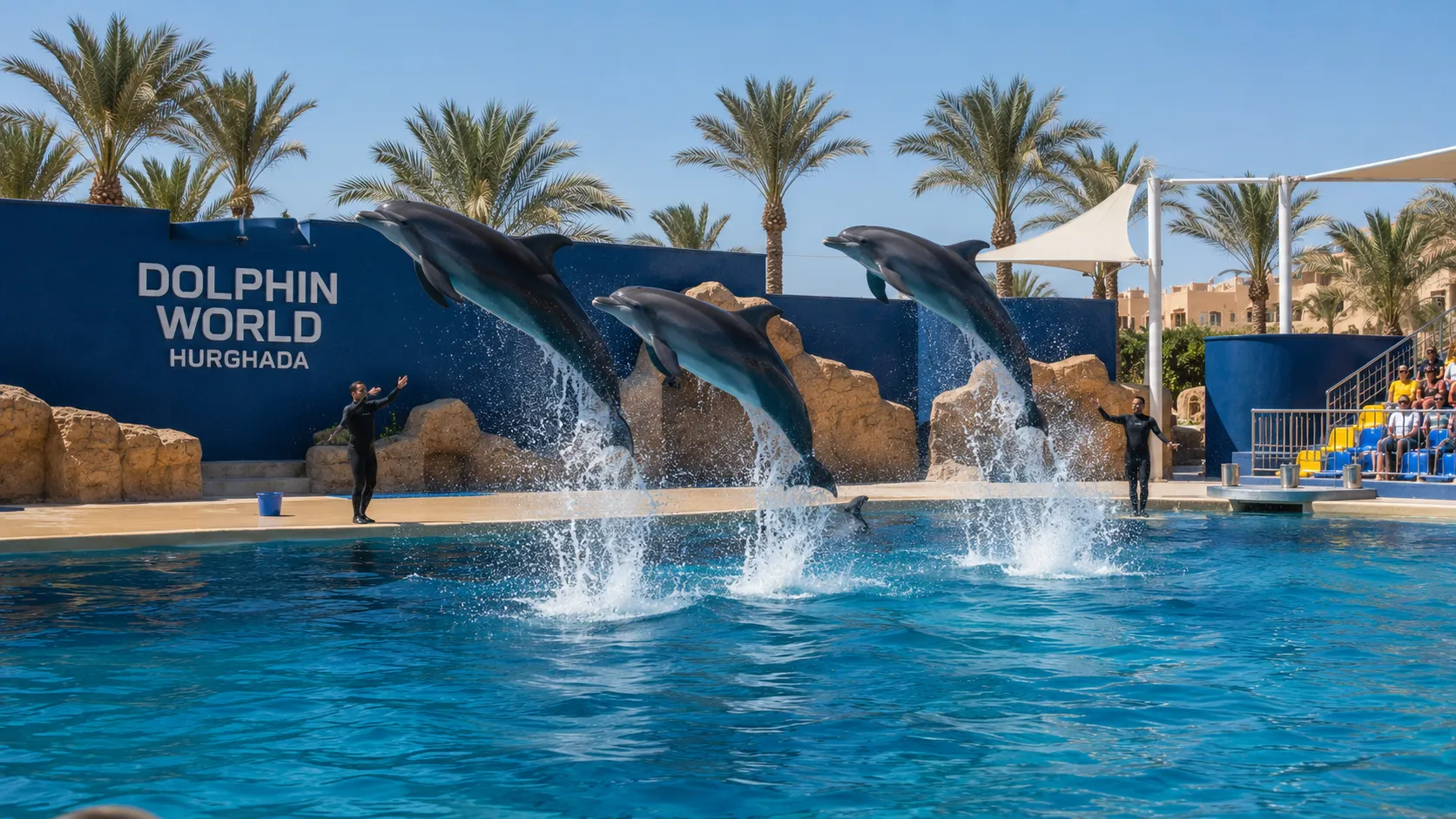
If a boat feels like too much for a toddler, or the sea is choppy on your dates, the Dolphin World show is the easy alternative. It is a covered arena a short drive from the resorts, with a roughly 45-minute programme of dolphins and sea lions, shaded seating and no swimming involved. It works for the whole spread of ages, from a two-year-old on your lap to a ten-year-old, and it is one of the few big attractions that is completely weather-proof, which makes it a reliable backup on a windy day when the boats stay in. The seating is close enough that small children feel part of it without the noise and jostle of a huge stadium, and the drive from most resorts is short enough to slot around a nap. Go for an afternoon slot so your morning stays free for the beach, and bring a hat and water even though you are undercover; Hurghada afternoons are warm year-round.
Island sandbank days: Orange Bay and Paradise Island
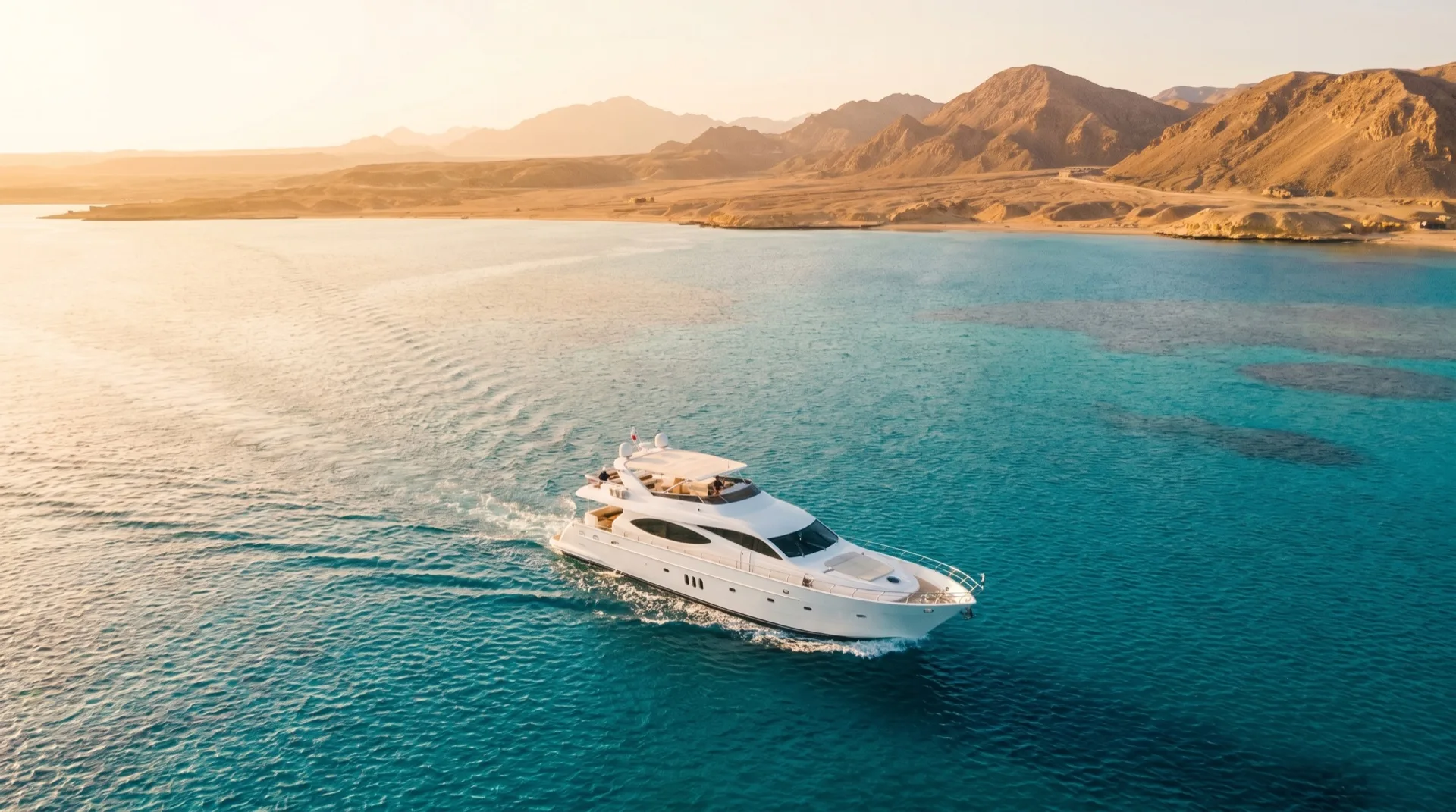
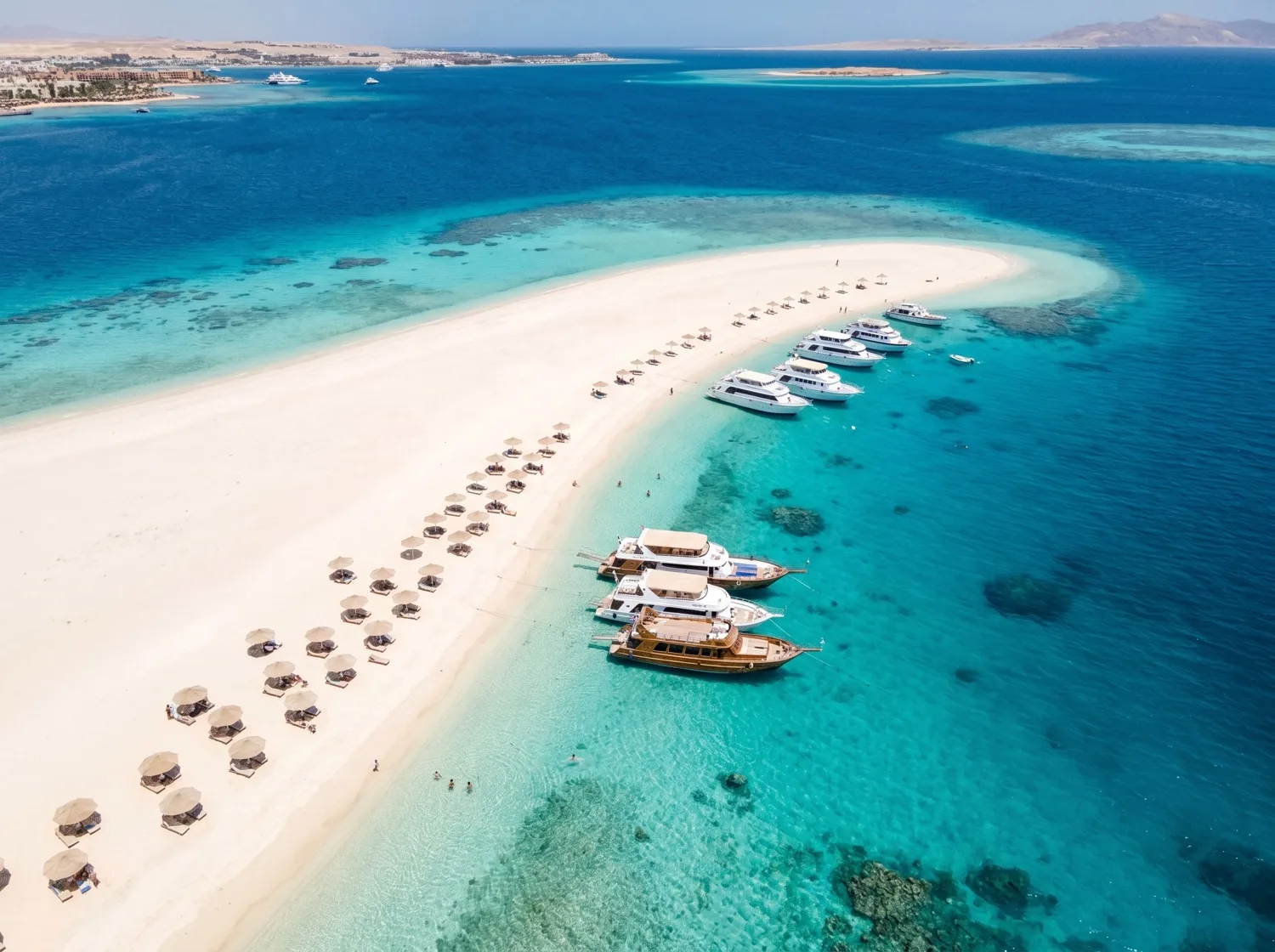
For sheer ease with young children, nothing beats an island day. Orange Bay is a sandbank about 45 minutes offshore where the shallows glow turquoise and stay ankle to knee deep a long way out, ideal for toddlers who want to paddle rather than swim. There are loungers, umbrellas, toilets and food on the island, so a family can settle in one shaded spot and rotate between the water and a rest for hours, which is exactly the rhythm small children need. Because the water is shallow and clear, you can see the bottom the whole time, so nervous parents can relax and let children explore within reach. Paradise Island is a gentler, greener alternative with a small house reef just off the beach for older children to snorkel, and it tends to feel calmer than the busiest Orange Bay boats. If you are weighing them up, our Orange Bay vs Paradise Island comparison lays out the differences for families.
Ask for the earliest island departure, ideally on the water by 8:30am. You reach the sandbank before the day-boats, claim shaded loungers, and get the calmest, clearest water for the children before the midday sun and the crowds arrive.
Boats for non-swimmers: glass-bottom and semi-submarine
The Red Sea reef is the reason most families come, and you do not need to swim a stroke to see it. A glass-bottom boat cruises slowly over the coral with a viewing floor, so a child in a pushchair-nap mood can still watch parrotfish, clownfish and the occasional turtle drift past. A semi-submarine goes one better, with a lower deck of windows below the waterline that feels like a small aquarium moving through the reef; children press their faces to the glass while a fish or two hangs just outside. Both are calm, shaded and short, typically an hour or two, which makes them the safest first taste of the marine world for toddlers and nervous swimmers alike, and a good confidence builder before anyone tries a mask. They also work brilliantly for grandparents joining the trip. For where the reefs are best, see our guide to snorkeling spots in Hurghada.
A child's first snorkel, done gently
Snorkeling is where Hurghada wins over children, and the trick is to start slow. In the shallows off an island or a moored boat, a child of six or seven can wear a buoyancy vest and a well-fitted junior mask, hold a parent's hand, and simply float face-down for the first minute. The reef does the rest. Warm, clear, waist-deep water over a coral garden, with clouds of orange anthias and the odd curious parrotfish, is a soft introduction that a swimming pool cannot match. Fit matters more than anything: a mask that leaks or a snorkel that is too long will put a child off for the whole trip, so let them try the gear on dry land first and practise breathing before they get in. Older, confident children can graduate to reef snorkeling from the boat with a guide, and many are stronger in the water than their parents by the end of the week. Never push a nervous child under; a good day is one they ask to repeat.
The measure of a family day at sea is not how much you saw, but whether the youngest one wants to go back tomorrow.Field notes · The Solara Journal
Family days on the water
A family-friendly desert safari, from about age six
Twenty minutes inland, the resorts give way to open desert, and an early-evening desert safari is a highlight for families with school-age children. Younger children ride as passengers, either on a parent's quad or in a 4x4, and there is usually a short, slow camel ride that toddlers love. The camp lays on Bedouin tea, a simple dinner, a little music, and a sky with no light pollution, so the stars alone are worth the drive; on a clear night you can pick out the Milky Way, which is a genuine event for a child who has only ever seen a city sky. Some camps keep a telescope or point out constellations, and the drive across the flats at dusk feels like an adventure in itself. Choose the late-afternoon departure: you ride into the sunset when the sand has cooled, rather than the searing heat of the day, and you are home before bedtime rather than deep into the night.
Solo quad driving usually has a minimum age of around 16, so under-16s ride as passengers. Bring a light layer for each child; the desert cools quickly after sunset, and a shivering toddler ends a good evening fast.

Aqua parks, pools and slow resort days
Not every day needs an excursion. Hurghada's larger resorts have generous pool complexes, and several have mini aqua parks with gentle slides, tipping buckets and shallow splash zones sized for younger children, plus taller slides that keep tweens busy for hours. A slow pool day between big trips is not a wasted day; it is the thing that keeps toddlers, and parents, happy for a full week, and it gives sunburned shoulders and tired legs a chance to recover before the next boat. Pack the mornings with the sea and the afternoons with shade, alternate a big day with an easy one, and let the children set the pace rather than forcing a packed itinerary. If you are still choosing where to base yourselves, it is worth picking a resort with a shaded kids' pool and an aqua park on site; our complete Hurghada travel guide covers resorts, arrivals and the practical groundwork.
The city, the market and everyday Hurghada
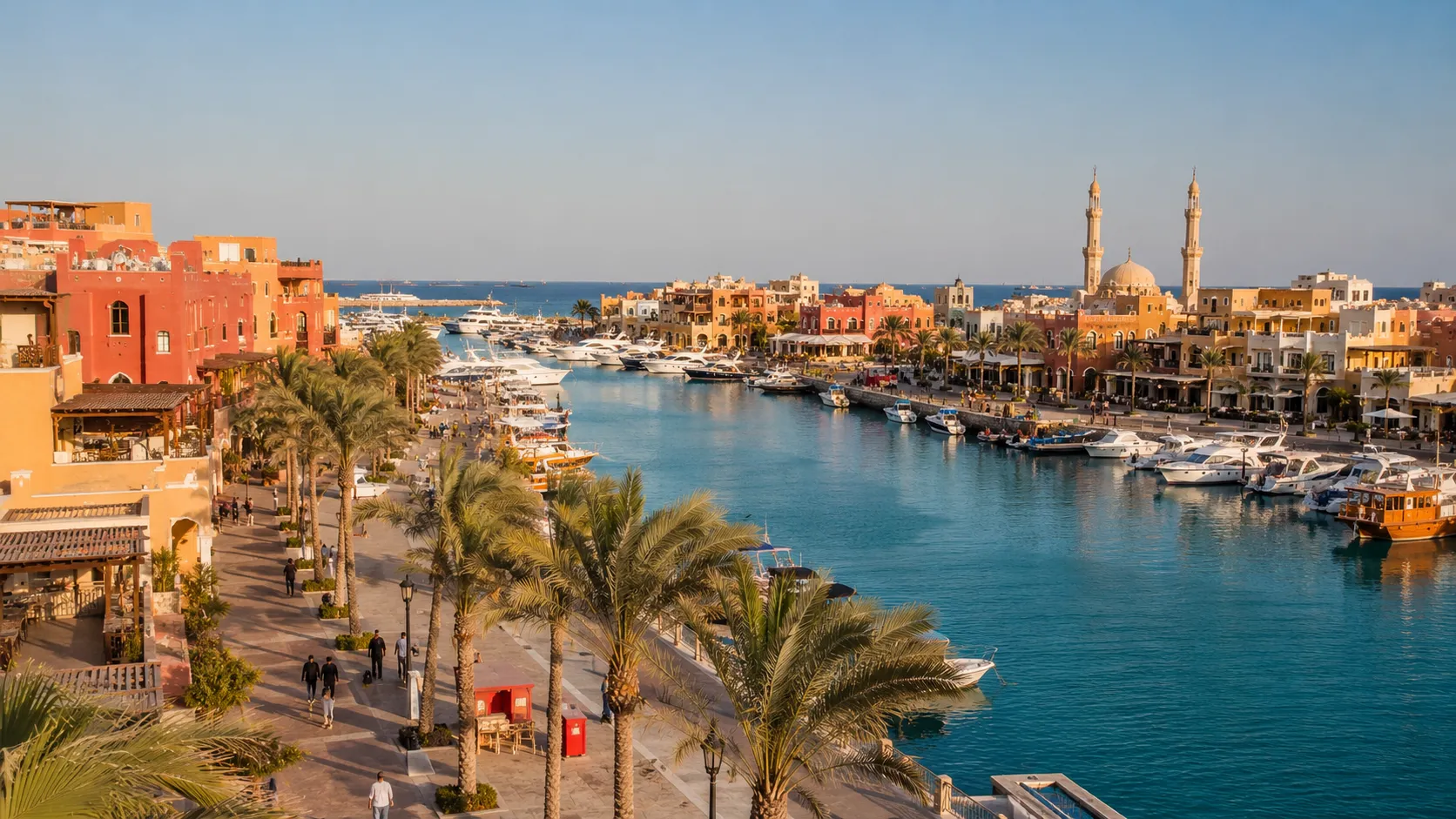
For a change of pace, a Hurghada city tour shows children a side of the trip beyond the beach: the marina boardwalk, a spice-scented market, and the domes and minarets of the Grand Mosque. It is a half-day best done in the late afternoon when the heat eases, and it is a gentle way to give tweens a sense of the place. Keep expectations realistic with the very young; a market is stimulating, so build in a juice stop and keep the outing short. For a wider list of what the city offers all ages, see our best things to do in Hurghada.
Which trips suit which ages
The single most useful thing to know before booking is which experiences match your children's ages, so nobody is bored, frightened or overtired. Here is how we sort them for families.
Toddlers, roughly one to four
Stay close to shore and short on time. Island sandbanks with shallow water, glass-bottom and semi-submarine boats, the Dolphin World show, resort pools and a brief camel ride are the winners. Skip long open-water boat crossings and full snorkeling; the aim is paddling, shade and naps, not endurance.
Ages five to nine
This is the sweet spot. Add first snorkeling in the shallows, the wild-dolphin boat from the deck, and the desert safari from the passenger seat. Children this age handle a half-day boat well if it departs early and the water is calm, and they remember it vividly.
Ages ten and up
Older children can do almost everything an adult can: full Dolphin House snorkeling with the pods, reef snorkeling from the boat, longer desert quad rides as passengers, and the city and market. This is the age to let them lead the day and pick their own highlight.
What to pack for children
A little kit goes a long way in Hurghada. The sun is strong and the reef is rough, so protection matters more than gadgets. Pack light, but do not skip the essentials below.
- Rash vests or UV swim shirts for every child, worn all day; they beat reapplying sunscreen to a wriggling toddler.
- Reef shoes to protect small feet from coral, hot decks and rocky entries.
- High-factor, reef-friendly sunscreen, plus wide-brim hats and sunglasses.
- A junior-sized mask and, for non-swimmers, a buoyancy or float vest that fits properly.
- Refillable water bottles and simple snacks; children dehydrate fast in the heat.
- A light layer each for the desert evening, and a dry change of clothes for the drive back.
Keeping children safe in the sun and the sea
Hurghada is a safe, welcoming place for families, and our full is Hurghada safe guide covers the wider picture. Day to day with children, the two real hazards are the sun and the water. Reapply sunscreen every couple of hours and after every swim, keep toddlers in shade through the middle of the day, and treat rash vests and hats as non-negotiable rather than optional. In the sea, life jackets or float vests for non-swimmers, a hand held at all times in open water, and clear ground rules about staying with an adult prevent almost every problem. Choose calm, shallow spots for the youngest, and never let a tired child snorkel. Reef cuts sting and can get infected in warm water, so reef shoes plus a firm rule of look, do not touch keeps small hands off the coral, which protects both the children and the reef. It is also worth watching hydration closely: children are busy and distracted and often will not say they are thirsty until they already are, so offer water at every stop. Pack a small kit with plasters, rehydration sachets and any regular medicines, since a pharmacy run mid-trip is a hassle you can easily avoid.
Timing your days to dodge the midday heat
In summer, Hurghada climbs to roughly 38-42C in the afternoon, so timing is everything with children. Front-load the day: be on the water or at the sandbank by mid-morning, back for lunch and a shaded rest through the peak hours between noon and 4pm, and save the desert or the city for the cooling late afternoon. This is not just about comfort; the midday sun in Egypt is genuinely fierce, and a small child overheats far faster than an adult. Spring and autumn are far kinder, with warm days in the high 20s and a sea that is comfortable for little ones, which is why they are our favourite seasons for a family trip. For the full month-by-month picture, including sea temperatures and wind, read our best time to visit Hurghada guide. Whatever the season, the earliest departures give you the calmest water, the gentlest boat ride and the fewest crowds, which matters most when you are travelling with children.
How Solara plans a family trip
The difference between a stressful family holiday and an easy one is usually logistics: the car that arrives on time, the boat that is small enough not to overwhelm a child, the captain who holds position while a nervous six-year-old finds their nerve. We plan family days around the youngest traveller, pace them one experience at a time, and build in the slow mornings that keep everyone happy. Tell us your children's ages and we will shape the week, from the dolphin morning to the island sandbank to the desert night. Start with the Solara Journal, then tell us who is travelling.